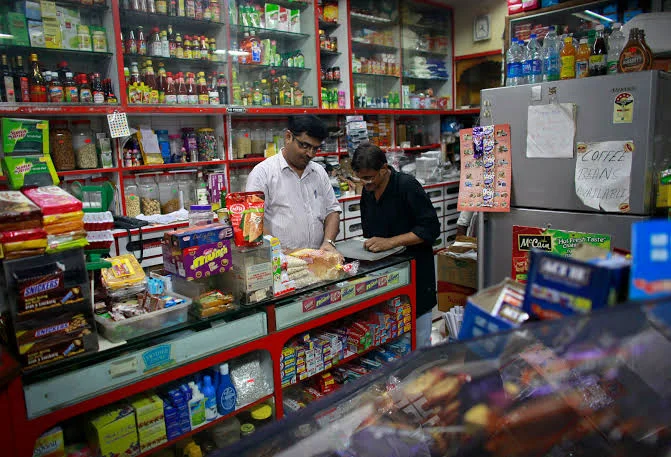
Retail displays play an important role in how customers discover products, explore brands, and make purchasing decisions. Well-designed pop shop displays help businesses showcase merchandise, highlight product features, and create engaging shopping experiences. From countertop displays and branded fixtures to interactive product demonstrations, the right display can help a brand attract attention and present its products effectively in retail stores, showrooms, and other customer-facing environments.
What Are POP Shop Displays?
POP stands for point of purchase. POP shop displays are specialized fixtures or branded structures designed to present products where shoppers browse, interact with merchandise, or make buying decisions.
These displays can take many forms, including countertop units, floor-standing displays, checkout racks, product sample centers, and interactive demonstration stations. Their design depends on the product being promoted, the available space, the intended audience, and the brand’s merchandising objectives.
Unlike standard shelving, custom POP displays can incorporate brand graphics, product information, samples, and interactive elements. This allows businesses to communicate product benefits while creating a more memorable in-store experience.
Why Are POP Shop Displays Important?
An effective retail display does more than hold merchandise. It helps connect a product with the customer at the right moment.
Improve Product Visibility
Products can easily get overlooked in crowded retail environments. A well-positioned display helps draw attention to specific merchandise and makes important features easier to notice.
Branded colors, clear messaging, organized product placement, and thoughtful display design can help businesses create a more recognizable presentation.
Encourage Customer Engagement
Interactive displays allow shoppers to explore products rather than simply look at them. Demonstration units, physical samples, and product comparison displays can make complex features easier to understand.
For example, an automotive retailer might use a display featuring actual product components to explain differences between products. This provides customers with a more tangible way to evaluate their options.
Strengthen Brand Recognition
Consistent display designs help businesses maintain a recognizable identity across multiple locations. Using coordinated graphics, logos, materials, and messaging can create a cohesive brand experience.
For companies running nationwide retail or dealer programs, consistent display production and fulfillment can help ensure that locations receive displays that match the intended specifications.
Support Purchase Decisions
Displays positioned near relevant merchandise or checkout areas can help customers discover complementary products, understand product benefits, and consider additional purchases.
The impact depends on factors such as product relevance, placement, store traffic, and the quality of the overall shopping experience.
Types of POP Shop Displays
Businesses can choose from several display formats depending on their products and retail environments.
Countertop Displays
Countertop displays are compact fixtures placed on checkout counters, service desks, or other convenient surfaces. They work well for smaller products, samples, accessories, and promotional merchandise.
Their compact footprint makes them useful when floor space is limited.
Floor-Standing Displays
Floor-standing displays provide dedicated space for product presentation. They can feature shelving, branded panels, product information, and specialized holders.
These displays are suitable for retail stores, showrooms, and other environments where products need greater visibility.
Interactive Demonstration Displays
Interactive displays allow customers to handle samples, compare components, or experience product features directly.
They can be particularly useful for products that benefit from physical demonstrations, including automotive components, tools, and specialized equipment.
Checkout and Front-End Displays
Checkout displays help organize merchandise near payment areas, where shoppers may notice additional products while waiting or completing a purchase.
Common examples include racks for small packaged goods, accessories, and impulse-buy items.
Branded Fixtures and Custom Merchandisers
Custom fixtures combine product presentation with brand identity. These can include branded furniture, rolling merchandisers, showroom towers, wall-mounted units, and specialized product stands.
The design can be tailored to the merchandise, store layout, and practical requirements of the environment.
What Makes a Successful POP Display?
A successful display balances visual appeal with practical functionality. Businesses should consider several important factors before beginning a display project.
Clear branding: The display should communicate the brand’s identity through appropriate graphics, colors, and messaging without overwhelming the product.
Product accessibility: Merchandise should be easy to see, understand, and access. The display should accommodate the product’s size, weight, and handling requirements.
Durable materials: Materials should suit the environment in which the display will be used. Displays in busy stores or automotive service areas may require different construction considerations from lightweight promotional units.
Efficient use of space: The display should fit the intended location while supporting customer movement and the surrounding merchandise.
Practical transportation and assembly: Packaging, assembly requirements, and shipping arrangements should be considered early, particularly when displays must be delivered to multiple locations.
Consistent execution: For larger programs, clear specifications and quality checks help ensure that displays are produced and delivered as intended.
How Custom POP Display Programs Work
Developing a custom display involves more than designing an attractive fixture. A successful program coordinates planning, engineering, production, and delivery.
The process typically begins with understanding the product, intended environment, budget, quantities, and rollout schedule. Designers and engineers then develop a practical concept that addresses these requirements.
After the design and specifications are approved, production can begin. Depending on the project, the program may also involve assembly, kitting, protective packaging, inventory storage, and shipping to individual retail locations.
Quality oversight helps verify that finished units meet specifications before shipment. For recurring programs, ongoing support can include reorders, display refreshes, and additional rollout phases.
Working with a partner that coordinates these activities can reduce the complexity of managing several suppliers and help maintain consistency across locations.
Choosing a POP Display Partner
When evaluating a display provider, businesses should consider its design capabilities, production experience, project management processes, and ability to support fulfillment.
Look for a partner that understands the intended retail environment and can explain how it will manage materials, specifications, production schedules, quality checks, and delivery requirements.
It is also useful to discuss future needs. If a display program will expand to additional stores or require regular refreshes, the provider should be able to explain how it will maintain consistency across repeat orders.
Chicago Show develops custom POP retail displays and manages merchandising programs from concept through production, fulfillment, and ongoing support. Its capabilities include custom counter displays, sample centers, checkout racking, branded fixtures, dealer display programs, and multi-location fulfillment.
Businesses can explore its POP shop display services to learn how custom display programs can support their merchandising requirements.
Conclusion
POP shop displays help businesses present products effectively, increase visibility, and create more engaging retail experiences. From compact countertop fixtures to interactive demonstration units and custom branded displays, the right solution depends on the product, audience, and retail environment.
By prioritizing practical design, durable materials, clear branding, and reliable production and fulfillment, businesses can build display programs that work well in real-world settings. Choosing an experienced display partner can also simplify execution and help maintain consistency as merchandising needs grow.