
Air Ambulance Charter as a Critical Link Between Remote Care and Advanced Treatment
Access to timely, advanced medical treatment remains a major challenge in many parts of the world. Remote locations, difficult terrain, limited infrastructure, and long distances from tertiary hospitals often delay critical care, putting lives at risk. In this context, air ambulance charter services have emerged as a vital bridge between remote care settings and advanced medical facilities. By combining aviation expertise with intensive medical support, air ambulance charter operations enable rapid, safe, and medically supervised patient transport when every minute matters.
As healthcare systems evolve and patient mobility becomes more complex, air ambulance charter is no longer viewed as a niche or luxury service. Instead, it is increasingly recognized as an essential component of modern emergency response, disaster management, and inter-facility transfers. From rural clinics and island communities to offshore installations and conflict-affected zones, air ambulance charter connects patients to specialized care that would otherwise be unreachable in time.
The Role of Air Ambulance Charter in Modern Healthcare
At its core, air ambulance charter provides medically equipped aircraft staffed with trained healthcare professionals capable of delivering critical care during flight. Unlike standard air travel or basic medical transport, these services are designed specifically for patients whose condition demands continuous monitoring, advanced life support, and rapid transit.
In remote areas, ground transportation may be slow, unreliable, or completely unavailable. Poor road conditions, mountainous terrain, or long sea crossings can turn a medical emergency into a life-threatening ordeal. Air ambulance charter eliminates these barriers by drastically reducing travel time and bypassing geographical constraints. Patients can be transferred directly from a remote airstrip or nearby airport to a hospital with advanced diagnostic, surgical, or intensive care capabilities.
Beyond emergencies, air ambulance charter also plays a crucial role in planned medical transfers. Patients requiring specialized treatment such as organ transplants, oncology care, neonatal intensive care, or complex surgeries often need to be moved across cities or even international borders. In these cases, air ambulance charter ensures continuity of care, comfort, and medical stability throughout the journey.
Bridging the Gap Between Remote Care and Advanced Treatment
Healthcare in remote or underserved regions is often limited to primary or basic emergency care. Clinics may lack advanced imaging, specialist physicians, or surgical facilities. While these centers are essential for initial stabilization, they are not always equipped to manage complex or deteriorating conditions. This is where air ambulance charter becomes a critical link.
By enabling rapid evacuation to tertiary hospitals, air ambulance charter ensures that patients receive definitive treatment at the right place and at the right time. For conditions such as severe trauma, stroke, cardiac emergencies, respiratory failure, or high-risk pregnancies, delays in accessing advanced care can significantly worsen outcomes. Air ambulance charter reduces these delays, improving survival rates and long-term recovery prospects.
Moreover, air ambulance charter supports healthcare systems by optimizing resource utilization. Rather than attempting to manage complex cases in facilities without the necessary infrastructure, healthcare providers can focus on stabilization and early intervention, knowing that safe and efficient transfer is available when required.
Life-Saving Power of Air Ambulances
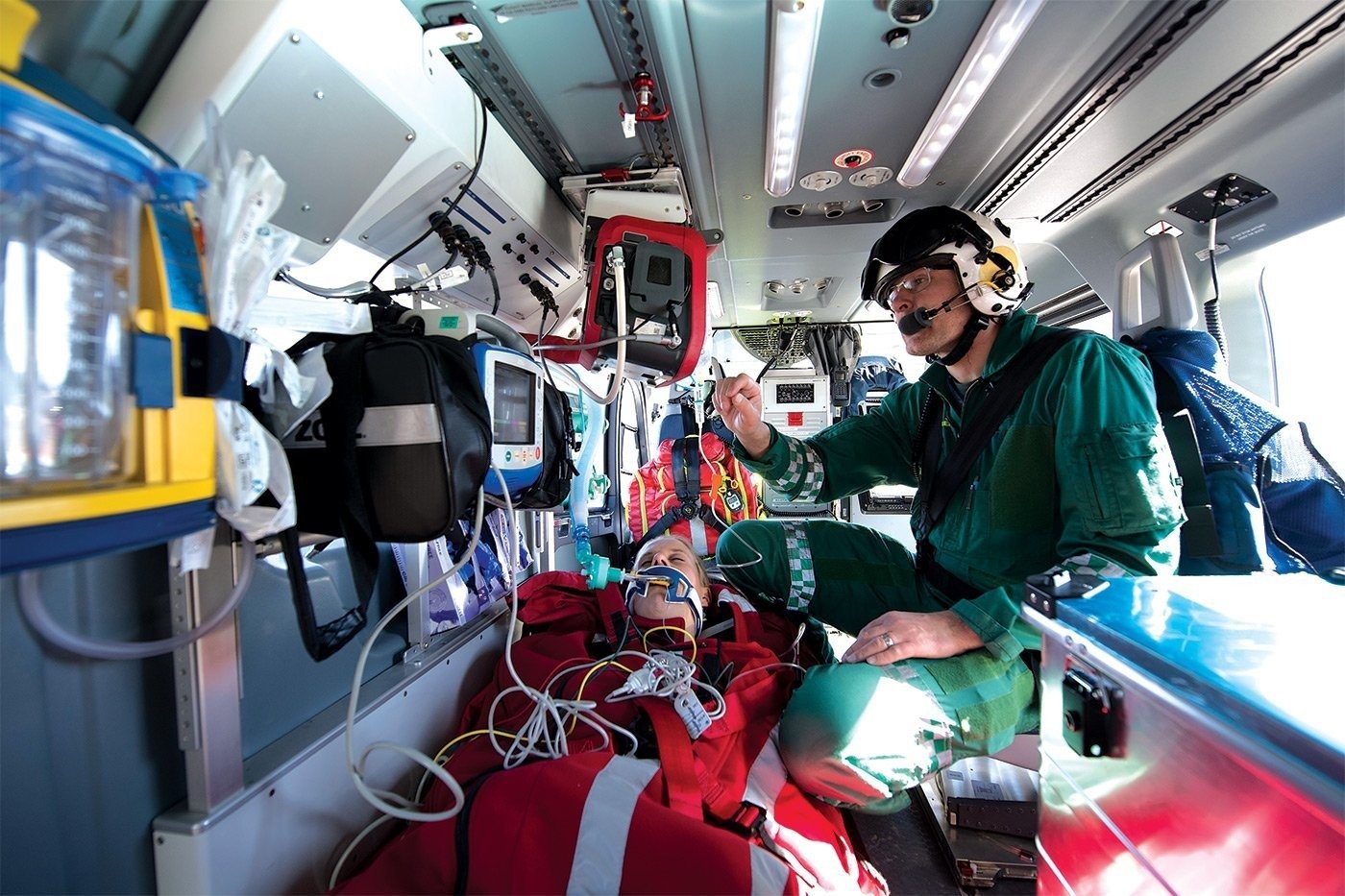
The Life-Saving Power of Air Ambulances lies in their ability to deliver intensive care in transit while dramatically shortening transport times. Air ambulance aircraft are effectively flying intensive care units, equipped with ventilators, cardiac monitors, infusion pumps, defibrillators, oxygen systems, and specialized medications. Highly trained medical teams, often including critical care doctors, nurses, and paramedics, manage patients throughout the flight.
This capability is especially crucial in time-sensitive conditions. In stroke management, for example, access to advanced imaging and thrombolytic therapy within a narrow time window can prevent permanent disability. In trauma cases, rapid transport to a Level 1 trauma center can mean the difference between life and death. The life-saving power of air ambulance charter is also evident in neonatal and pediatric transfers, where fragile patients require precise temperature control, ventilation, and constant monitoring.
Additionally, air ambulances play a vital role during disasters and public health emergencies. When local hospitals are overwhelmed or damaged, air ambulance charter services facilitate evacuations, transport critical patients, and support continuity of care under challenging circumstances.
Safety, Regulation, and Quality Standards
The effectiveness of air ambulance charter depends heavily on safety standards, regulatory compliance, and operational excellence. Reputable providers adhere to strict aviation regulations, maintain aircraft to high technical standards, and ensure that medical equipment is certified for airborne use. Crew training is equally critical, with pilots experienced in medical missions and medical staff trained specifically for aeromedical environments.
Quality air ambulance charter services also emphasize coordination. Successful missions require seamless communication between referring physicians, receiving hospitals, ground ambulance teams, and aviation crews. This coordination ensures that patient handovers are smooth and that treatment continues without interruption.
As demand for air ambulance charter grows, data-driven dispatch systems, flight planning tools, and telemedicine integration are further enhancing safety and efficiency. These advancements reinforce the role of air ambulance charter as a reliable and professional link in the healthcare continuum.
Top Companies Providing Air Ambulance Charter Services
Several established providers deliver high-quality air ambulance charter services worldwide, each contributing to the global medical transport ecosystem through specialized capabilities, experienced teams, and patient-centric operations.
SV Charter is a recognized provider of air ambulance charter services, offering medically equipped aircraft supported by trained aviation and healthcare professionals. The company focuses on delivering safe, efficient, and compassionate medical transport for critically ill or injured patients. SV Charter emphasizes mission planning, coordination with hospitals, and adherence to international aviation and medical standards. Their services support both emergency evacuations and planned inter-hospital transfers, making them a dependable option for connecting remote care locations with advanced treatment centers.
Air Methods is one of the largest providers of air medical services, operating a broad fleet of helicopters and fixed-wing aircraft. Their air ambulance charter capabilities support emergency response, hospital partnerships, and long-distance patient transfers. Air Methods combines clinical expertise with advanced dispatch and safety systems, enabling rapid response and consistent care delivery across diverse geographic regions.
REVA Air Ambulance specializes in fixed-wing air ambulance charter services for domestic and international medical transport. The company is known for its long-range capabilities, advanced onboard medical equipment, and experienced clinical teams. REVA’s operations support complex transfers, including critical care and specialty cases, ensuring patients receive continuous medical attention during extended flights.
Angel MedFlight provides customized air ambulance charter solutions tailored to individual patient needs. With a focus on comfort, clinical quality, and personalized service, the company handles both critical and non-critical medical transfers. Their approach emphasizes detailed pre-flight planning, coordination with medical providers, and family communication throughout the transport process.
IAS Medical is an international air ambulance charter provider with a strong presence in cross-border and remote area evacuations. The company offers comprehensive aeromedical services, including emergency evacuations, commercial airline medical escorts, and dedicated air ambulance flights. IAS Medical’s experience in complex international missions makes it a valuable partner for patients requiring advanced treatment beyond their local healthcare system.
The Growing Importance of Air Ambulance Charter
As populations become more mobile and healthcare becomes increasingly specialized, the need for efficient patient transfer solutions continues to rise. Air ambulance charter services support this trend by enabling access to centers of excellence regardless of distance. They also play a key role in supporting medical tourism, offshore industries, humanitarian missions, and government emergency preparedness.
Technological advancements are further shaping the future of air ambulance charter. Enhanced aircraft performance, improved medical devices, real-time patient data transmission, and integrated logistics platforms are increasing mission success rates and expanding service reach. These developments strengthen the position of air ambulance charter as a core element of resilient healthcare systems.
Conclusion
Air ambulance charter stands as a critical link between remote care and advanced treatment, ensuring that geography does not determine patient outcomes. By combining rapid air transport with high-level medical care, these services bridge gaps in healthcare access, save lives, and support the efficient functioning of modern medical systems. The life-saving power of air ambulances is evident in emergency responses, planned medical transfers, and disaster situations alike.
With experienced providers such as SV Charter and other global operators, air ambulance charter continues to evolve as a trusted, indispensable solution in global healthcare delivery. As demand grows and technology advances, air ambulance charter will remain a cornerstone of timely, equitable access to advanced medical treatment.