
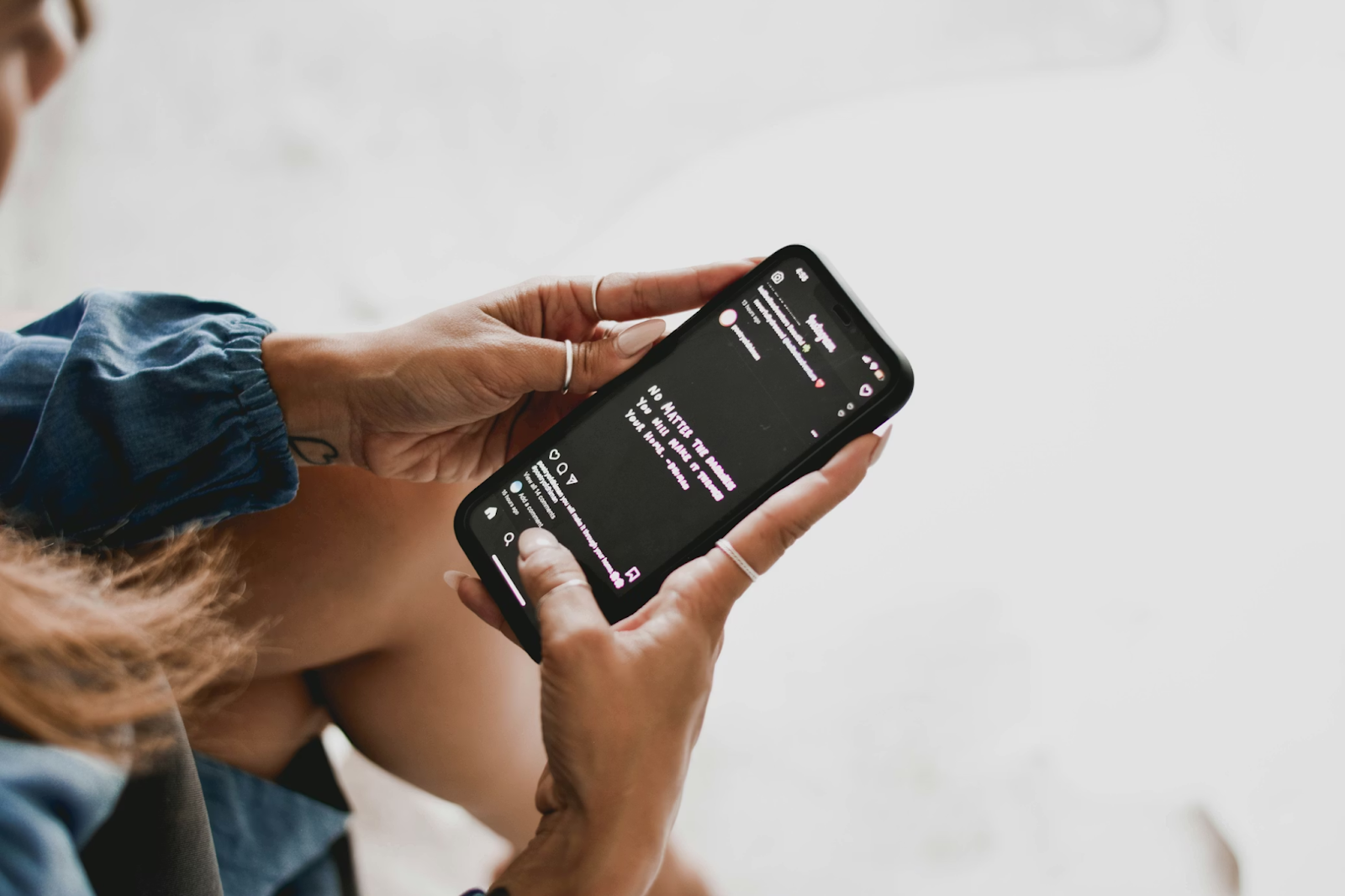
How Online Platforms Are Redefining Downtime in a Distracted World
Downtime used to arrive quietly, in the gaps between things, waiting in line, riding public transit, small stretches people barely noticed. No rush to fill them. Sitting still, even a little boredom, felt normal. Expected.
That hasn’t disappeared entirely, but it shows up less often now thanks to online activity. Those same moments tend to fill on their own throughout the day. A quick scroll, a tap, a glance, small habits that slip in without much notice.
Online platforms have gradually reshaped those pauses into something more active. Downtime today blends with stimulation and constant access. It’s not a dramatic shift, more something you treat as the new normal.
Idle Time Has Been Replaced by Instant Engagement
Empty moments rarely stay empty anymore. A short pause used to feel like a pause; now it feels like an invitation. Platforms sit ready, offering something to fill the gap before the mind has time to wander.
That shift has quietly redefined downtime. It’s no longer a break from input; it’s just a different kind of input, arriving almost automatically.
Even brief moments can be rewarding:
- Waiting at a crosswalk turns into checking updates,
- A quiet elevator ride becomes a quick scroll,
- A few seconds alone invites a tap, a swipe, a glance.
Nothing about these actions feels unusual, which is why they work so well. Over time, the absence of stimulation starts to feel unfamiliar, even uncomfortable. Downtime hasn’t disappeared; it’s been replaced with something more immediate.
Downtime Now Happens in Fragments, Not in Blocks
The structure of downtime has changed just as much as its content. What once came in long, uninterrupted stretches now shows up in scattered moments throughout the day, often shaped by digital habits and constant mobile access.
Instead of extended inactivity, a day is characterized by downtime that provides short windows between tasks, such as commutes or standing in line. A few minutes here, a pause there, enough to engage, rarely enough to fully disconnect from urgent tasks.
Online platforms are built for this rhythm: fast, accessible, always within reach, especially through apps designed for quick, repeated engagement cycles spread over a day. Over time, those small interactions add up. These micro-moments all provide consumers with the ability to reset attention quickly, while still proving opportunity to disengage from everyday stress.
Downtime Has Taken on a Sense of Purpose
Relaxation used to exist without expectation. Now it often carries a subtle sense of intention, especially in an ecosystem characterized by digitally driven routines and daily screen habits; it’s a process that doesn’t feel deliberate, at least first.
Free time begins to feel like something that should be used well. That idea slips in quietly through content that teaches, platforms that reward progress, and systems that track engagement.
Even leisure starts to mirror productivity. People learn during breaks, optimize routines, and follow structured experiences. It’s not necessarily negative, but something shifts, moments that once had no direction now move toward outcomes.
Participation Has Replaced Passive Watching
Another change sits just beneath the surface. People don’t just consume anymore; they interact, shaped by platforms designed to encourage constant input and response, often without thinking twice about the shift.
Platforms have leaned into that behavior. Instead of simply presenting content, they invite involvement through choices, reactions, and movement. Even simple experiences now include some level of control.
That sense of control changes downtime. You don’t just watch. You join in. You shape it and react with intention. This makes it more immersive.
Platforms provide this in their own ways. Some encourage creativity, others emphasize shared interaction, while structured formats, like a real online casino, offer interactive environments where pacing, choice, and game-based decision-making shape the experience.
Algorithms Now Shape the Experience of Rest
Choice still exists, but it’s no longer the starting point. Most platforms present content before a decision is even made, with recommendations appearing instantly based on past behavior and real-time user signals, providing a path to a curated experience.
That shift changes the role of the user. Instead of seeking out experiences, people often respond to what’s in front of them, moving through downtime along a path that feels natural, even if it’s guided.
Time starts to behave differently in that flow. A short break stretches, one piece of content leads to another, and interruptions become easier to navigate. Downtime becomes less about stepping away and more about being carried through continuous engagement.
Online Activity Outcomes Now Depend on Intentional Choice
Not all downtime leaves the same impression. Some experiences feel genuinely restorative, while others bring a quieter kind of fatigue, not physical, but mental, like time passed without a sense of being well-spent.
The difference often comes down to how engagement happens. More active, intentional use can create distance from stress, giving the mind something focused to engage with. Passive use tends to drift, filling time without offering much in return.
That tension sits at the center of modern downtime. The same platforms that offer escape can also extend stimulation, and habits that feel relaxing can slowly drain energy without a clear line between the two.
A Subtle Shift Toward More Intentional Downtime
People are starting to notice the difference, especially as digital habits become more common in daily life. Not in dramatic ways, but through small, quiet adjustments that build over time.
Closing an app a little earlier. Choosing one activity instead of several. Letting a moment stay unfilled, even briefly, instead of immediately reaching for another distraction. These shifts don’t stand out, but they shape the feel of downtime.
That awareness starts to influence how time is used. Some apps lean toward more deliberate experiences, while others provide a platform for creation, rather than simple consumption. For instance, an AI game maker allows consumers to experiment, build, or explore ideas in short bursts.
It doesn’t happen all at once, and often goes unnoticed in everyday routines at first. Still, the shift is there. A gradual move toward downtime that feels a bit more intentional, even within the same digital spaces.
Downtime Has Changed, Not Disappeared
Downtime is still there. It just doesn’t quite show up the way it once did, and that difference tends to surface in small, familiar moments, commutes, pauses, and short breaks that pass almost unnoticed.
What once felt like a simple pause now carries a bit more weight, layered with options, shaped quietly by design, nudged along by habits that rarely announce themselves. Online platforms didn’t take downtime away, but they did change how rewarding it became.