Two Person Tents for Weekend Trips: What to Look for in 2026
Choosing between the dozens of two person tents on the market can feel harder than the camping trip itself. For a weekend away in the UK, where rain can arrive uninvited and campsites range from flat grassy fields to lumpy hillside pitches, the right tent makes the difference between a good night’s sleep and a soggy retreat to the car. This guide breaks down what actually matters when picking two person tents, from fabric weight to pole design, and where a roof tent might suit road trippers better than a ground tent.
Key takeaways
- Two person tents offer the best balance of weight and comfort for most weekend camping trips
- A hydrostatic head rating of at least 3000mm, plus taped seams, matters more than most other specs for UK weather
- Aluminium poles flex better in wind than fibreglass, and spare pole sets are worth carrying
- A separate footprint groundsheet protects the tent floor and extends its lifespan
- Roof tents suit road trippers wanting fast setup, but check vehicle roof load ratings first
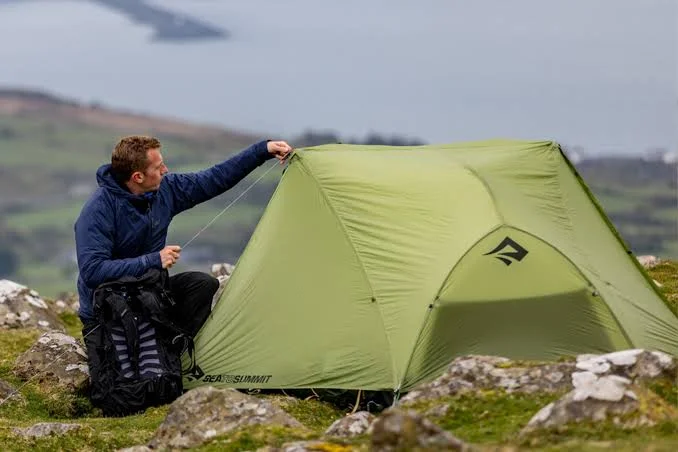
One option worth a look is the oex phoxx 2, a two-person model built with British weather in mind. It’s a useful reference point for the kind of features this article will keep coming back to: waterproof rating, pole strength and packed weight.
Why Two Person Tents Suit Most Weekend Trips
A lot of solo campers and couples default to two person tents even when only one body needs sheltering. There’s a good reason for that. The extra space inside means room for a rucksack, wet boots and a stove without everything piling onto the sleeping bag. Two person tents also tend to sit in a sweet spot for weight: light enough to carry a fair distance, but roomy enough that a weekend doesn’t feel cramped.
For weekend trips specifically, where the tent gets pitched once and lived in for two or three nights, comfort matters more than shaving off the last 200 grams. A slightly heavier tent with a proper porch and decent headroom will usually beat an ultralight shelter that barely fits a sleeping mat.
Weatherproofing: The Feature That Actually Matters
British weekends rarely come with a weather guarantee. A tent’s hydrostatic head rating (measured in millimetres) tells you how much water pressure the fabric can resist before it lets water through. For general UK camping, anything from 3000mm upward on the flysheet is a reasonable baseline; damp, exposed sites in Wales or Scotland call for closer to 5000mm.
Seams matter just as much as fabric. Taped or sealed seams stop water creeping in through the stitching, which is often where cheaper tents fail first. It’s worth checking the groundsheet rating too, since pooling water underneath causes as many problems as rain from above.
Ventilation vs Waterproofing
A fully sealed tent with no airflow turns into a condensation trap by morning. Mesh panels, adjustable vents and a double-skin design (separate inner and outer layers) all help moist air escape without letting rain in. This balance is one area where cheap single-skin tents tend to fall down.
Pole Systems and Why They Matter
Poles decide how quickly a tent goes up and how well it holds against wind. Aluminium poles cost more than fibreglass but flex under gusts instead of snapping, which matters on exposed pitches near the coast or up in hill country. A tent with a simple two-pole dome or tunnel design usually pitches faster than one with a complicated hub system, which is handy after a long drive or hike when daylight is running out.
Spare poles or a compatible pole set are worth having in the car if camping regularly, since a snapped pole in bad weather can end a trip early. Some UK retailers, including oex, sell replacement pole sets separately, which saves buying a whole new tent over one broken section.
Groundsheets and Pitch Comfort
The groundsheet takes more abuse than any other part of the tent. Sewn-in groundsheets are convenient and keep draughts out, but a separate footprint groundsheet placed underneath adds a layer of protection against sharp stones, roots and abrasion. It also extends the life of the tent’s own floor, which is far more expensive to replace than a footprint.
For anyone pitching on rougher ground, a footprint groundsheet is a small extra weight that pays for itself after a couple of trips. It’s also quicker to dry and pack away than the tent floor itself, which matters when breaking camp in the rain.
Roof Tents: An Alternative Worth Considering
Not every weekend trip needs a tent pitched on the ground. Vehicle roof tents have grown in popularity with UK road trippers who want to set up camp fast and avoid searching for flat, dry ground. They fold out from the vehicle roof rack, sit above puddles and uneven turf, and pack away in minutes.
The trade-off is cost and vehicle compatibility; not every car has the roof strength or rack system to support one comfortably. Anyone weighing this option should check load ratings carefully. A well-built oex roof tent gives a sense of what to expect in terms of build quality and setup time, though it’s worth comparing several models before committing, since roof tents vary a lot in weight and ease of folding.
One Person or Three Person: When Two Isn’t Right
Two person tents aren’t always the answer. A single hiker covering long distances each day might prefer a genuine one person tent to save weight on the trail. Families or groups of three, meanwhile, often find that a three person tent gives enough room for gear storage without needing to carry two separate shelters.
The general rule: buy one size up from the minimum number of sleepers if gear storage matters, and stick to the minimum if weight on your back is the priority. Two person tents tend to be the most flexible middle ground for weekend trips because they cover both couples and solo campers who want extra room.
| Tent size | Best for | Typical packed weight |
| One person | Solo hikers, minimal gear | 1 to 1.5kg |
| Two person | Couples, solo campers wanting space | 1.8 to 2.8kg |
| Three person | Small families, gear-heavy trips | 2.5 to 4kg |
| Roof tent | Road trips, quick setup camping | 40 to 70kg (vehicle-mounted) |
Packing and Setup for a Weekend Away
A tent that’s brilliant in the shop but fiddly in a wet car park loses its appeal fast. Before a first weekend trip, it’s worth pitching the tent once at home to learn where the poles go and how the guylines tension. This avoids the classic scenario of wrestling with instructions in the rain at 7pm.
Packing a small repair kit (spare pole sleeve, guyline cord, a few pegs) takes up almost no space and solves the sort of minor failures that would otherwise cut a trip short. Checking weather forecasts for the specific campsite, not just the nearest town, also helps decide how much extra waterproofing or wind protection to plan for.
Frequently Asked Questions
What’s the best size tent for two people camping for a weekend?
A dedicated two person tent with a porch area is usually the best balance of weight and comfort for a weekend trip. It gives enough room for two sleeping bags plus gear storage without the extra bulk of a three person model.
How waterproof should a two person tent be for UK camping?
Look for a hydrostatic head rating of at least 3000mm on the flysheet, and higher for exposed or hilly sites. Taped seams and a decent groundsheet rating matter just as much as the flysheet figure.
Are roof tents warmer than ground tents in winter?
Roof tents can feel warmer because they’re off the cold ground and often better insulated at the base, but they still need a good sleeping system in freezing conditions. Ventilation and condensation management remain just as important as in a ground tent.
Do I need a separate footprint groundsheet?
It’s not essential but it protects the tent’s built-in floor from sharp ground and extends the tent’s lifespan. It also dries faster than a full sewn-in groundsheet after a wet night.
How much should a two person tent weigh for backpacking versus car camping?
Backpackers generally aim for under 2.5kg packed weight to keep the load manageable on the trail. Car campers have more flexibility and can prioritise space and durability over shaving off grams.