AI Design and AI-Generated Video: The New Creative Workflow for Faster Visual Production
Creative production is evolving rapidly as intelligent tools become part of everyday workflows. Designers, marketers, and content creators now rely on automation to speed up tasks that once required large teams. Two of the most important innovations are ai design systems and ai generated video platforms. Together, they are changing how visual content is planned, created, and delivered.
Modern creators no longer start from a blank canvas every time. With ai design, layouts and visual directions can be produced instantly. At the same time, ai generated video tools transform scripts into scenes within minutes. This combined approach reduces manual workload and increases experimentation. Teams can now move from concept to publish-ready content much faster than traditional production models allowed before.
What Is AI Design
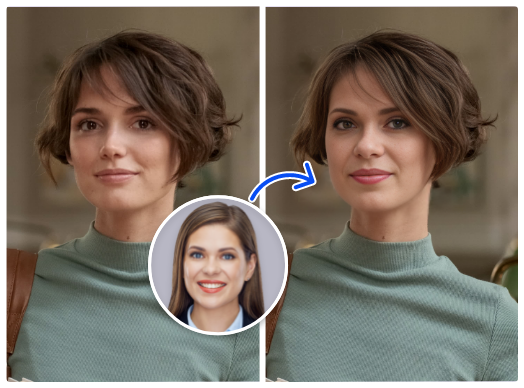
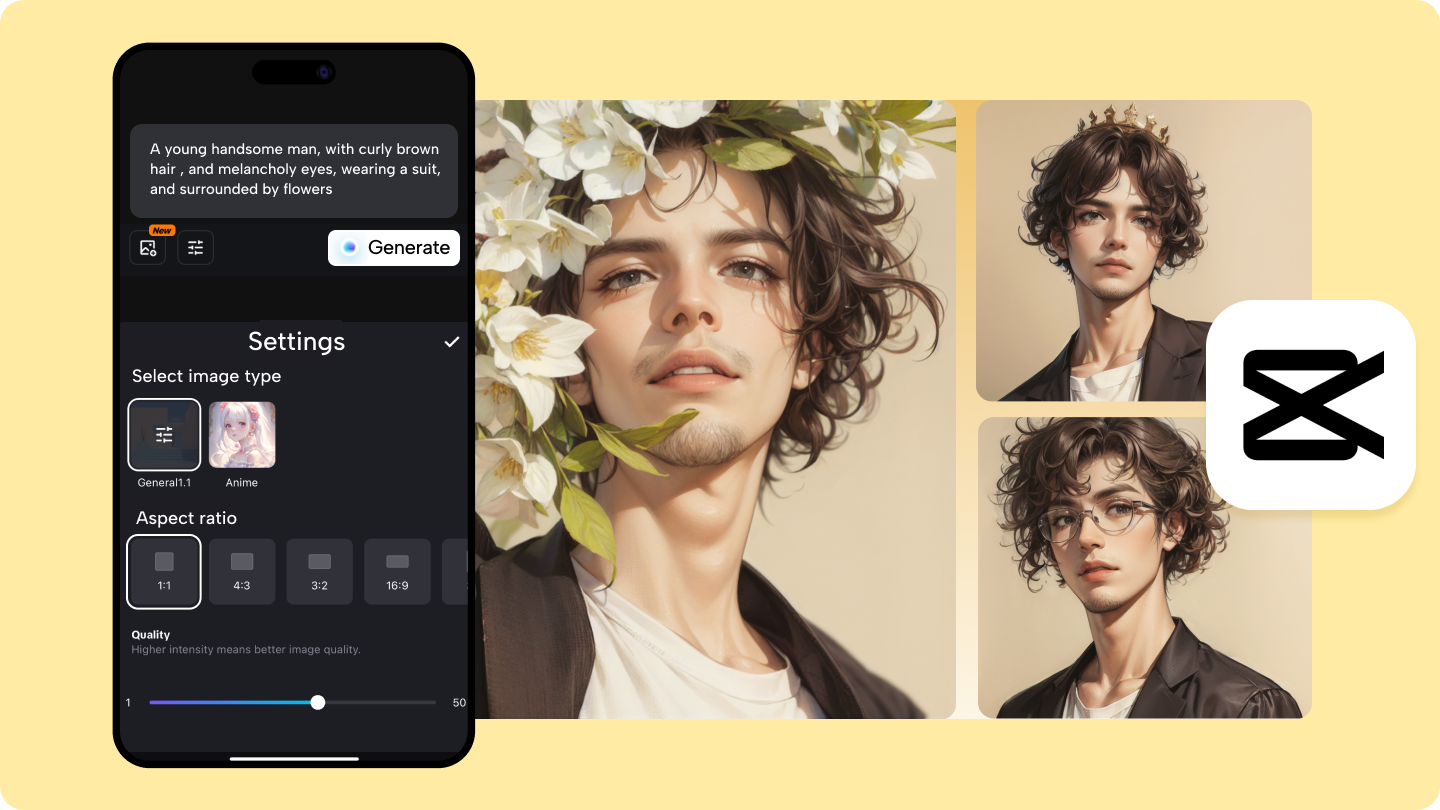
AI design refers to the use of artificial intelligence to assist or automate visual creation tasks. These tools can generate layouts, color schemes, typography pairings, and graphic concepts. The goal is to accelerate creative decision-making.
Instead of building everything manually, creators use ai design suggestions as starting points. Many platforms connect ai design outputs directly into ai generated video workflows. This allows brand visuals to stay consistent across formats. When properly guided, ai design reduces repetitive setup work and lets creators focus on storytelling, clarity, and audience impact rather than technical construction details.
Understanding AI-Generated Video
AI generated video is video content created partially or fully through machine learning systems. These tools convert prompts, scripts, or slides into animated or live-style video sequences. Production time drops significantly.
A strong ai generated video system can create scenes, voiceovers, and captions automatically. When paired with ai design, visual style remains aligned. Creators often prepare assets using ai design tools first, then assemble motion output through ai generated video engines. This pipeline supports faster drafts, quicker revisions, and scalable content production across marketing, education, and media environments today.
Why These Tools Work Better Together
Using ai design alone improves static visuals, but pairing it with ai generated video expands creative possibilities. Style guides, color palettes, and layout logic transfer smoothly into motion content. Consistency improves across formats.
Teams that combine ai design with ai generated video reduce handoff friction between graphic and video stages. The ai design system prepares brand elements, while ai generated video applies them to scenes. This unified workflow shortens timelines and minimizes rework. It also helps maintain visual identity when producing large volumes of multimedia content under tight schedules.
Core Features to Look For
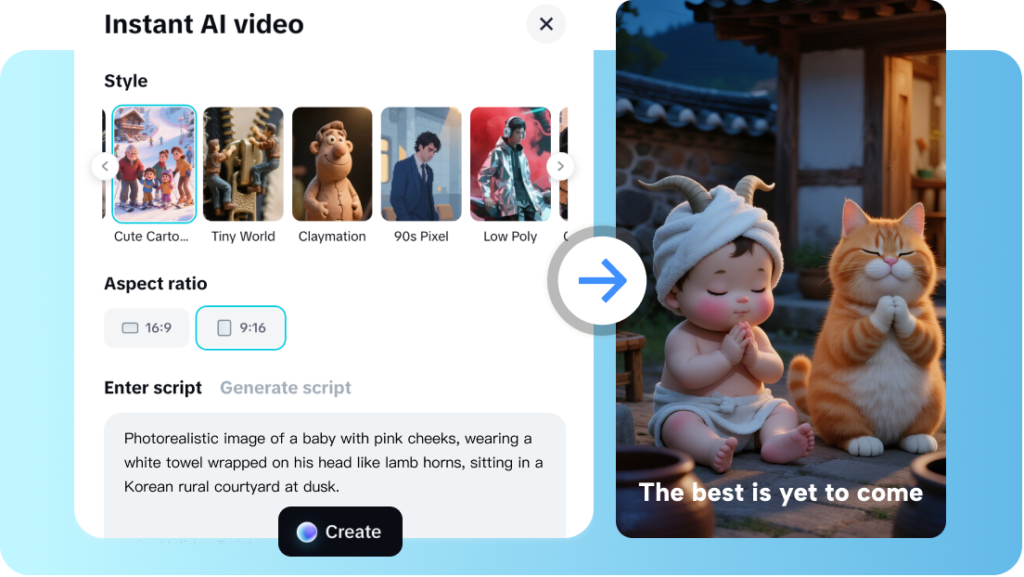
When evaluating ai design tools, look for template intelligence, brand kit support, and layout variation controls. These features help maintain quality while allowing creative flexibility. Speed should not remove control.
For ai generated video platforms, check script accuracy, voice options, and scene editing depth. The best systems allow refinement after automation. A good ai design environment should export smoothly into ai generated video timelines. Integration matters. Flexible overrides ensure creators can adjust pacing, visuals, and messaging instead of being locked into raw automated output results.
Practical Workflow Example
A practical workflow often begins with ai design generating storyboards and visual directions. These early drafts guide tone and structure. Quick previews help teams align before full production begins.
Next, the script moves into an ai generated video tool for automatic scene creation. Editors then refine timing and media. Using ai design references, the ai generated video output stays on brand. This step-by-step approach blends automation with editorial judgment. The result is faster delivery without sacrificing clarity, consistency, or audience relevance in the final published material.
Common Mistakes to Avoid
One mistake is over-trusting ai generated video without review. Automated visuals can misread nuance or emphasis. Human checking remains essential for accuracy and tone control.
Another issue is using ai design outputs without customization. Templates should be starting points, not final answers. Strong projects refine ai design suggestions and adjust ai generated video pacing. Balance matters. Automation should accelerate creativity, not replace thoughtful decisions about message, audience needs, and communication goals in professional content work.
Use Cases Across Industries
Marketing teams use ai design to build campaign visuals quickly and keep branding consistent. They then produce promos through ai generated video systems. This speeds up launch cycles significantly.
Educators and trainers also benefit from ai generated video for lesson content. Supporting graphics come from ai design tools. This pairing helps scale learning materials. From product demos to internal training, ai design plus ai generated video supports repeatable, high-volume production without requiring full studio resources or extended turnaround times.
The Future of Creative Production
Creative workflows will continue shifting toward automation-assisted models. AI design will become more context-aware and brand-sensitive. Suggestions will feel more tailored and usable.
Meanwhile, ai generated video will gain better realism and editing control. Combined with AI design, production cycles will shrink further. Teams that learn these tools early gain an advantage. The future belongs to creators who guide automation strategically while keeping human storytelling judgment at the center of every visual project they produce.