
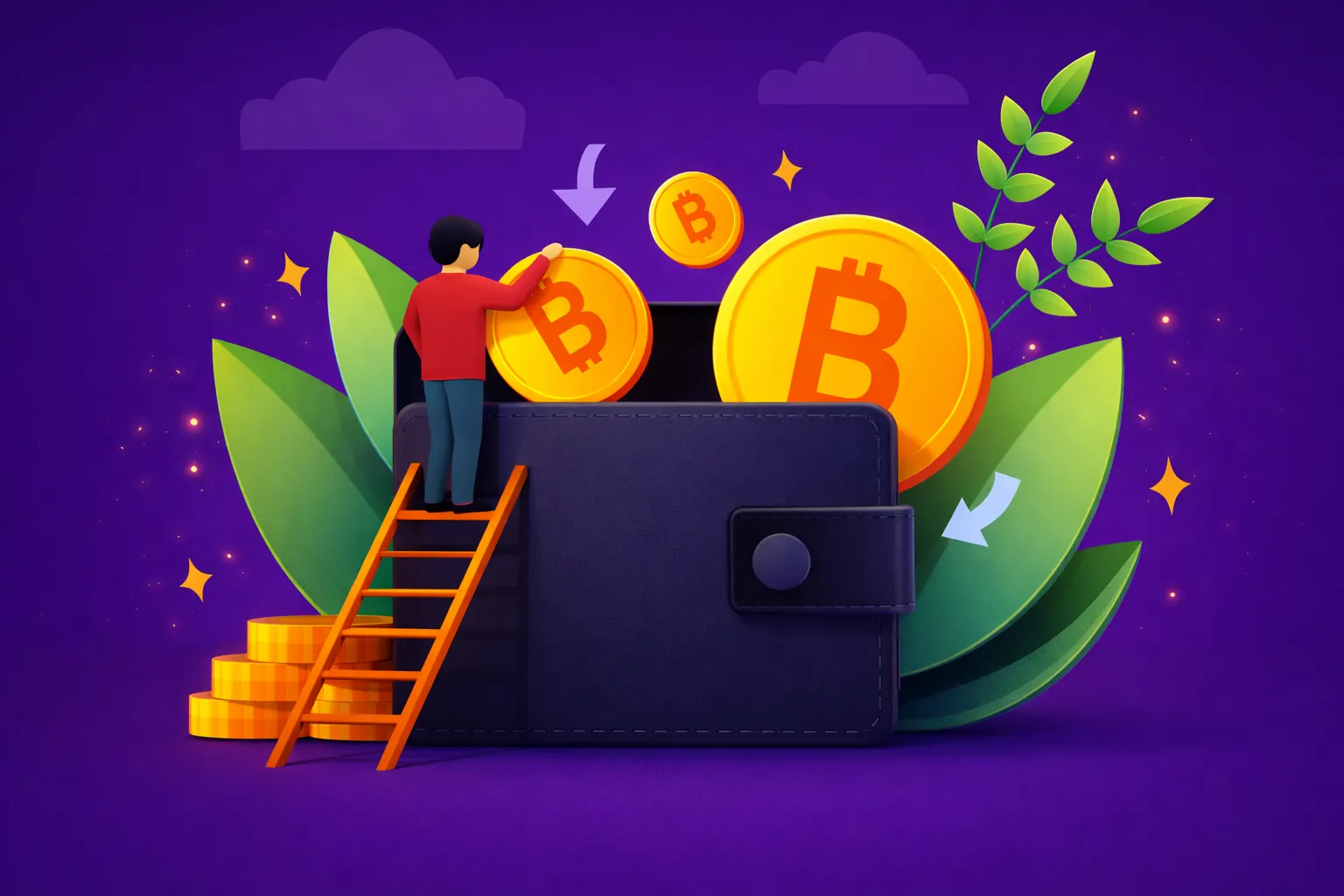
Multi-Chain Crypto Wallets: The Future of Cross-Blockchain Asset Management in 2026
The blockchain ecosystem has evolved far beyond a single network. In 2026, users actively interact with multiple blockchains such as Ethereum, BNB Chain, Polygon, Solana, Avalanche, and Layer-2 networks. Each chain offers different advantages in terms of speed, cost, scalability, and ecosystem applications.
As digital asset adoption increases, managing assets across separate wallets for each blockchain becomes inefficient and confusing. This is where multi-chain crypto wallets are transforming the user experience. Multi-chain wallets allow users to store, manage, and transact across various blockchain networks within a single unified interface.
This innovation is becoming essential for both retail users and enterprises. Businesses entering Web3 increasingly rely on a professional cryptocurrency wallet development company to build secure and scalable multi-chain wallet solutions tailored to modern blockchain demands.
What Is a Multi-Chain Crypto Wallet?
A multi-chain crypto wallet is a wallet that supports multiple blockchain networks within one application. Instead of creating separate wallets for each chain, users can manage different tokens and assets from a single dashboard.
These wallets enable seamless switching between networks while maintaining private key security. They simplify the complexity of interacting with different blockchain protocols and reduce user friction.
Why Multi-Chain Support Is Essential in 2026
Blockchain ecosystems are fragmented. DeFi projects operate across multiple chains, NFT marketplaces exist on various networks, and stablecoins are deployed on different platforms.
Without multi-chain support, users must constantly transfer assets between wallets or platforms. This increases gas fees, transaction time, and security risks. Multi-chain wallets eliminate this problem by offering unified asset management.
As interoperability improves, the demand for cross-chain compatibility continues to grow.
How Multi-Chain Wallets Work
Multi-chain wallets generate private keys that can interact with multiple blockchain standards. Some wallets use hierarchical deterministic (HD) key structures to derive addresses for different networks from a single seed phrase.
Advanced wallets integrate cross-chain bridges or APIs to enable token transfers between blockchains. Users can view balances, initiate transactions, and interact with decentralized applications across networks without leaving the wallet interface.
Benefits of Multi-Chain Crypto Wallets
The biggest advantage is convenience. Users manage Bitcoin, Ethereum-based tokens, Solana assets, NFTs, and stablecoins from one place.
Multi-chain wallets also improve portfolio tracking by offering a consolidated view of assets across networks.
For businesses, this unified approach enhances customer retention and simplifies onboarding, making blockchain more accessible to mainstream audiences.
Security Considerations for Multi-Chain Wallets
While multi-chain wallets offer flexibility, security remains critical. Supporting multiple networks increases the attack surface if not designed properly.
Secure architecture includes encrypted key storage, network isolation mechanisms, phishing protection, and smart contract verification tools.
Many enterprises collaborate with a cryptocurrency wallet development company to ensure their multi-chain wallet infrastructure follows best security practices and compliance standards.
Multi-Chain Wallets and DeFi
Decentralized finance operates across multiple blockchains. Liquidity pools, staking protocols, lending platforms, and yield farming opportunities exist on different networks.
A multi-chain wallet enables users to access these opportunities seamlessly. Instead of moving funds through centralized exchanges, users can interact directly with decentralized protocols across chains.
This flexibility is critical for maximizing yield strategies and participating in evolving Web3 ecosystems.
NFT and Web3 Integration
NFT marketplaces exist across Ethereum, Polygon, Solana, and other networks. Multi-chain wallets allow users to store and display NFTs from various chains in one interface.
In Web3, wallets serve as login credentials for decentralized applications. Multi-chain compatibility ensures users can access diverse ecosystems without managing multiple credentials or interfaces.
Enterprise Applications of Multi-Chain Wallets
Enterprises launching exchanges, DeFi platforms, token ecosystems, or NFT marketplaces require multi-chain infrastructure. Customers expect flexibility and compatibility across popular blockchain networks.
A specialized cryptocurrency wallet development company can design enterprise-grade multi-chain wallets that integrate compliance features, transaction monitoring, scalable backend architecture, and cross-chain functionality.
Challenges in Multi-Chain Wallet Development
Despite the advantages, multi-chain wallets face challenges. Different blockchains use distinct consensus mechanisms, address formats, and transaction models.
Integrating multiple protocols requires deep blockchain expertise. Additionally, cross-chain bridges must be secured against exploits, which have historically caused major losses in the crypto industry.
Proper design, auditing, and infrastructure management are essential to minimize these risks.
The Role of Interoperability in the Future
Interoperability is shaping the next phase of blockchain growth. Technologies such as cross-chain messaging protocols and Layer-0 networks aim to connect isolated ecosystems.
Multi-chain wallets will serve as the primary user interface for this interoperable future. They will allow users to move assets and data across chains effortlessly while maintaining security and transparency.
The Future of Multi-Chain Wallets
In 2026 and beyond, multi-chain wallets will evolve into comprehensive digital asset management platforms. They will integrate AI-based fraud detection, automated network optimization, smart gas fee management, and seamless cross-chain swaps.
As blockchain adoption grows globally, multi-chain wallets will become the standard rather than the exception.
Conclusion
Multi-chain crypto wallets represent the next step in simplifying blockchain interaction. By consolidating multiple networks into a single secure interface, they reduce complexity, improve efficiency, and enhance user experience.
For businesses entering Web3, building a scalable and secure multi-chain wallet is no longer optional, it is essential. Partnering with an experienced cryptocurrency wallet development company ensures that wallet infrastructure is future-ready, secure, and capable of handling cross-chain innovation.
As blockchain ecosystems continue expanding, multi-chain wallets will serve as the backbone of digital asset management in the decentralized economy.
Frequently Asked Questions
1. What is a multi-chain crypto wallet?
A multi-chain crypto wallet is a digital wallet that supports multiple blockchain networks, allowing users to manage different tokens and assets from one interface.
2. Why are multi-chain wallets important in 2026?
Because users interact with multiple blockchains like Ethereum, Solana, and BNB Chain, multi-chain wallets simplify asset management and reduce the need for multiple wallet apps.
3. Are multi-chain wallets secure?
Yes, when built with strong encryption, secure key management, and network isolation mechanisms. Businesses often work with a cryptocurrency wallet development company to ensure high-level security standards.
4. Can I use a multi-chain wallet for DeFi and NFTs?
Yes, multi-chain wallets allow users to access DeFi platforms, swap tokens, stake assets, and store NFTs across different blockchain ecosystems.
5. How is a multi-chain wallet different from a regular wallet?
A regular wallet typically supports one blockchain network, while a multi-chain wallet supports multiple networks, providing unified asset management and cross-chain flexibility.
Disclaimer
This article is intended for informational purposes only and does not constitute financial, investment, legal, or technical advice. Cryptocurrency investments and blockchain technologies involve significant risk, including market volatility, regulatory uncertainty, and potential security vulnerabilities. Readers should conduct their own research and consult with qualified financial or technical professionals before making any investment or development decisions. The mention of development services or technologies does not constitute an endorsement or guarantee of performance, security, or compliance.