
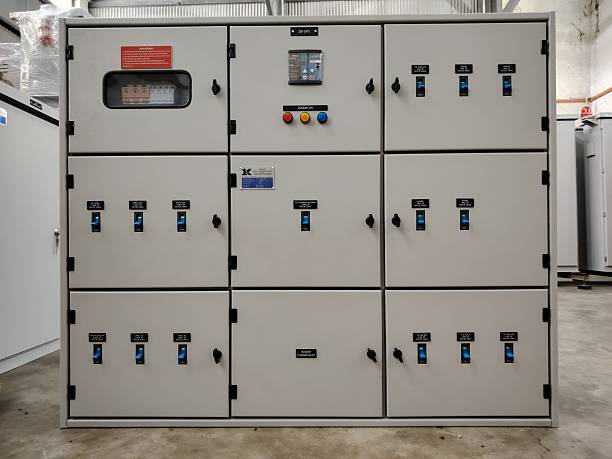
Optimizing Electrical Safety in Low Voltage Switch Board Systems
Electrical safety is a critical aspect of modern industrial, commercial, and residential power systems. Low voltage switch boards, often referred to as low voltage distribution boards, play a vital role in managing electricity within buildings and facilities. These systems control the distribution of power, protect circuits from overloads and faults, and provide a safe interface for connecting electrical equipment. Optimizing electrical safety in low voltage switch board systems not only protects personnel but also ensures operational reliability and minimizes the risk of equipment damage.
This article explores the importance of electrical safety in low voltage switch boards, the key components and design considerations, techniques to enhance safety, and best practices for long-term reliability.
Understanding Low Voltage Switch Board Systems
Low voltage switch boards are designed to distribute electrical power in systems typically operating below 1,000 volts. They serve as the central hub for electrical distribution, providing control, protection, and monitoring capabilities.
Components of Low Voltage Switch Boards
A typical low voltage switch board consists of several essential components:
- Main Circuit Breakers: Protect the entire system from overloads or short circuits.
- Individual Circuit Breakers or Fuses: Provide localized protection for individual circuits.
- Busbars: Conduct electrical power from the main supply to multiple branch circuits.
- Protective Relays: Detect abnormal conditions such as overcurrent or earth faults.
- Switches and Disconnects: Allow safe isolation of circuits for maintenance or emergencies.
- Monitoring Devices: Voltmeters, ammeters, and energy meters provide real-time data on system performance.
Role in Electrical Safety
Low voltage switch boards are the first line of defense against electrical hazards. They protect personnel and equipment by ensuring proper circuit isolation, controlling electrical flow, and preventing dangerous fault conditions.
Key Safety Challenges in Low Voltage Systems
Despite their protective role, low voltage switch boards can pose safety risks if not properly designed, installed, or maintained. Common challenges include:
- Overloaded Circuits: Excessive current can lead to overheating and equipment damage.
- Faulty Wiring or Connections: Loose or degraded connections increase the risk of short circuits or electric shocks.
- Inadequate Protection Devices: Absence or misconfiguration of circuit breakers and protective relays can allow faults to propagate.
- Environmental Hazards: Moisture, dust, or corrosive conditions can compromise insulation and increase the likelihood of electrical failures.
- Human Error: Unauthorized access or improper handling of switch board components can result in accidents.
Addressing these challenges requires a combination of design optimization, advanced protective devices, and adherence to electrical safety standards.
Techniques for Optimizing Electrical Safety
Modern low voltage switch board systems can integrate various techniques to enhance safety, reliability, and operational efficiency.
Proper System Design and Load Management
Designing low voltage switch boards to accommodate actual and projected loads is fundamental to safety. Techniques include:
- Load Balancing: Distributing electrical loads evenly across phases to prevent overheating and voltage drops.
- Adequate Sizing of Components: Selecting circuit breakers, busbars, and wiring rated for maximum load conditions.
- Segregation of Critical Circuits: Isolating essential systems such as emergency lighting and fire safety equipment to prevent disruptions during faults.
Advanced Protective Devices
Using modern protective devices improves safety and minimizes fault propagation:
- Miniature Circuit Breakers (MCBs): Provide fast protection against overloads and short circuits for individual circuits.
- Residual Current Devices (RCDs): Detect leakage currents and prevent electric shocks.
- Earth Fault Relays: Sense ground faults and trip affected circuits to reduce the risk of damage and fire.
- Surge Protectors: Protect sensitive equipment from voltage spikes and transient overvoltages.
Insulation and Arc Flash Protection
- Insulated Busbars and Components: Reduce the risk of accidental contact with live parts.
- Arc-Resistant Enclosures: Contain and redirect arc flash energy away from personnel, minimizing injury during electrical faults.
- Proper Labeling and Signage: Clearly mark live components, circuits, and emergency shutdown switches to prevent accidents.
Remote Monitoring and Smart Controls
Integrating digital monitoring systems into low voltage switch boards enables real-time tracking of electrical parameters:
- Voltage, Current, and Power Factor Monitoring: Detects anomalies that may indicate overload or impending faults.
- Predictive Maintenance Alerts: Identifies potential failures before they occur, reducing downtime and risk.
- Automated Load Management: Prioritizes critical circuits and safely sheds non-essential loads during peak conditions.
Best Practices for Maintaining Electrical Safety
Beyond design and installation, ongoing maintenance and safety protocols are essential to ensure long-term reliability of low voltage switch board systems.
Routine Inspection and Testing
- Visual Inspections: Check for corrosion, loose connections, damaged insulation, or signs of overheating.
- Thermal Imaging: Detect hotspots indicating potential overloading or connection issues.
- Electrical Testing: Regularly test circuit breakers, protective relays, and insulation resistance to ensure proper functioning.
Environmental Protection
- Install switch boards in dry, ventilated areas to prevent moisture-related faults.
- Use dust-proof and corrosion-resistant enclosures for harsh environments.
- Maintain proper temperature conditions to avoid component degradation.
Personnel Training and Safety Awareness
- Train staff on safe operation, emergency shutdown procedures, and lockout/tagout protocols.
- Restrict unauthorized access to switch board areas.
- Clearly label all circuits, breakers, and safety devices.
Compliance with Electrical Standards
- Follow local and international electrical codes such as IEC 61439 or NEC standards.
- Ensure that all components are certified and rated for their specific application.
- Conduct periodic audits to verify compliance with safety and performance requirements.
Advantages of Optimized Low Voltage Switch Boards
Implementing modern safety techniques in low voltage switch board systems provides several benefits:
- Enhanced Safety: Protects personnel from electric shock, arc flash, and fire hazards.
- Improved Reliability: Reduces the risk of unexpected downtime due to faults or equipment damage.
- Energy Efficiency: Load balancing and smart controls minimize energy losses and improve power quality.
- Cost Savings: Prevents costly equipment failures and reduces maintenance expenses.
- Regulatory Compliance: Ensures adherence to safety standards, reducing liability and insurance costs.
Conclusion
Optimizing electrical safety in low voltage switch board systems is essential for protecting personnel, equipment, and operations. By implementing proper system design, advanced protective devices, insulation measures, and remote monitoring, facilities can achieve safe, reliable, and efficient power distribution.
Regular maintenance, personnel training, and adherence to electrical standards further enhance safety and operational longevity. Modern low voltage switch board techniques not only minimize the risk of electrical hazards but also improve energy efficiency, reduce downtime, and ensure compliance with regulatory requirements.
Investing in optimized low voltage switch board systems is a strategic step toward building a safe, resilient, and efficient electrical infrastructure capable of meeting the demands of today’s industrial, commercial, and residential environments.