
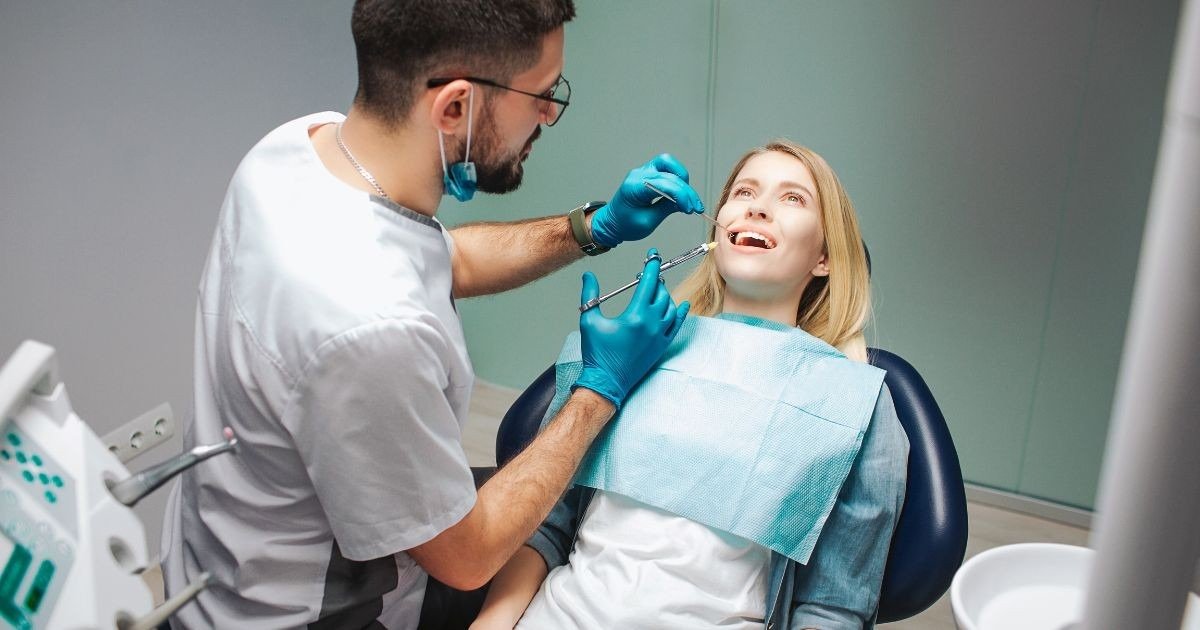
SEO for Orthodontists: 12 Expert Tips from the Dental Marketing Guy
Orthodontic practices face unique challenges when it comes to digital visibility. Patients searching for braces, aligners, or corrective treatments often turn to Google first—and if your practice doesn’t appear in those crucial search results, you’re missing out on valuable patient acquisitions.
Search engine optimization isn’t just about ranking higher; it’s about connecting with patients who are actively seeking the specialized care you provide. Whether someone’s searching for “orthodontist near me” or researching treatment options like Invisalign, your online presence needs to meet them where they are.
Justin Morgan, widely known as the Dental Marketing Guy, has spent years helping orthodontic practices refine their digital strategies. His approach combines technical SEO knowledge with an understanding of what drives patient decisions in orthodontics.
So, if you are looking for SEO for orthodontists, follow these tips specifically tailored to help you grow your practice through organic search.
Understanding the Orthodontic SEO Landscape
Before diving into specific tactics, it’s important to understand what makes orthodontic SEO different from general dental marketing. Orthodontic patients typically conduct more research before making a decision. They’re comparing treatment options, reading reviews, and evaluating costs. Your SEO strategy needs to address this research-heavy journey.
Additionally, orthodontic searches often have strong local intent. Patients want a provider nearby who can deliver consistent care over months or years. This means local SEO becomes particularly crucial for orthodontic practices.
1. Optimize Your Google Business Profile Completely
Your Google Business Profile (formerly Google My Business) is often the first impression potential patients have of your practice. Morgan emphasizes that incomplete or outdated profiles significantly hurt your local search visibility.
Start by ensuring every field is filled out: business hours, services offered, photos of your office and team, and accurate contact information. Add posts regularly to show that your practice is active. Respond to all reviews—both positive and negative—in a professional manner that demonstrates your commitment to patient satisfaction.
Don’t overlook the importance of selecting the correct primary category. “Orthodontist” should be your main category, with secondary categories like “Cosmetic dentist” or “Dental clinic” only if they accurately represent additional services you offer.
2. Build Location-Specific Landing Pages
If you serve multiple areas or have multiple locations, create dedicated landing pages for each service area. These pages should include location-specific content, not just template text with the city name swapped out.
Each page should feature unique content about your connection to that community, directions from local landmarks, parking information, and testimonials from patients in that area. Include the city or neighborhood name naturally throughout the page, especially in headings and the page title.
You can then use a WhatsApp CRM tool to target and track leads from each service area, allowing you to tailor your marketing efforts and measure their effectiveness.
3. Target Treatment-Specific Keywords Strategically
Patients search for specific treatments, not generic orthodontic services. Morgan recommends creating comprehensive content around each major treatment you offer: traditional braces, clear aligners, lingual braces, early intervention orthodontics, and adult orthodontics.
Each treatment page should explain what the treatment involves, who it’s best for, the typical timeline, and what patients can expect during their visits. Include before-and-after photos where appropriate and address common concerns or questions patients have about that specific treatment.
4. Leverage Patient Reviews for Local SEO
Reviews don’t just build trust—they’re a significant ranking factor for local search. Encourage satisfied patients to leave reviews on your Google Business Profile, but also diversify across platforms like Facebook, Healthgrades, and Yelp.
Create a simple process that makes leaving a review easy. Send follow-up emails after successful treatment milestones with direct links to your review profiles. Never offer incentives for positive reviews, as this violates most platform policies and can result in penalties.
When responding to reviews, use natural language that includes relevant keywords like “orthodontic treatment” or “braces” without sounding forced or robotic.
5. Create Educational Content that Answers Patient Questions
The research phase for orthodontic patients is extensive. They’re asking questions like “How long do braces take?” “What’s the difference between Invisalign and braces?” and “Do I need a retainer forever?”
Develop blog content that directly answers these questions. Morgan suggests using tools like AnswerThePublic or reviewing the “People Also Ask” section in Google to identify common queries. Each blog post should provide thorough, helpful answers that position you as an authoritative expert.
This content serves multiple purposes: it helps with SEO by targeting long-tail keywords, establishes your expertise, and provides value to potential patients during their research phase.
6. Optimize Your Website’s Technical Foundation
Technical SEO might seem intimidating, but the basics are crucial for orthodontic practices. Start with page speed—slow-loading pages frustrate users and hurt your rankings. Compress images, minimize code, and consider using a content delivery network (CDN).
Ensure your website is mobile-responsive. More than 60% of health-related searches happen on mobile devices. Your site should look great and function perfectly on smartphones and tablets.
Implement schema markup for local businesses and medical professionals. This structured data helps search engines understand your practice information, resulting in enhanced search results with star ratings, hours, and other rich details.
7. Build Authoritative Backlinks from Relevant Sources
Backlinks—links from other websites to yours—remain a powerful ranking factor. For orthodontists, quality matters far more than quantity. A single link from a respected health website or local news outlet carries more weight than dozens of links from irrelevant directories.
Morgan recommends several strategies: participate in local community events and get mentioned on event websites, contribute expert quotes to health journalists, sponsor local sports teams or school programs, and build relationships with general dentists who can refer patients and link to your site.
Avoid buying links or participating in link schemes, which can result in severe penalties from Google.
8. Use Video Content to Boost Engagement and Rankings
Video content performs exceptionally well in search results and keeps visitors on your site longer—a positive signal to search engines. Create videos that show your office environment, introduce your team, explain different treatments, and showcase patient testimonials.
Post these videos on your website and YouTube. Optimize YouTube videos with descriptive titles, detailed descriptions including your practice name and location, and relevant tags. Embed YouTube videos on corresponding pages of your website to improve engagement metrics.
9. Implement a Consistent Content Publishing Schedule
Websites that regularly publish fresh content tend to rank better than static sites. Morgan suggests orthodontic practices aim for at least two blog posts per month, though weekly is ideal if resources allow.
Develop a content calendar that addresses different aspects of orthodontic care throughout the year. Time seasonal content appropriately—back-to-school orthodontic check-ups in late summer, addressing New Year’s smile goals in January, or discussing sports mouthguards at the start of athletic seasons.
Consistency matters more than volume. It’s better to publish two high-quality posts monthly on a reliable schedule than to post sporadically.
10. Optimize for Voice Search and Conversational Queries
Voice search is changing how people find orthodontic care. When someone asks their smart speaker “Where’s the best orthodontist near me?” your practice needs to be in that conversation.
Optimize for voice search by focusing on natural, conversational language. Include FAQ sections on your pages that mirror how people actually speak. Target question-based keywords like “how much do braces cost” or “what age should kids see an orthodontist.”
Claim and optimize your practice information on voice-search platforms like Apple Maps, Alexa local search, and Google Assistant.
11. Monitor and Analyze Your SEO Performance
You can’t improve what you don’t measure. Set up Google Analytics and Google Search Console to track your website’s performance. Monitor which keywords drive traffic, which pages perform best, and where visitors are coming from.
Pay attention to metrics like organic traffic growth, keyword rankings for your target terms, conversion rates from organic visitors, and time spent on key pages. Morgan recommends monthly reviews of these metrics to identify trends and opportunities.
Use this data to refine your strategy. If certain types of content perform particularly well, create more of it. If specific keywords are driving traffic but not conversions, examine those landing pages for optimization opportunities.
12. Stay Updated on Algorithm Changes and Industry Trends
SEO isn’t static. Search engines regularly update their algorithms, and patient search behavior evolves. Subscribe to reputable SEO news sources like Search Engine Journal, Moz, or Search Engine Land. Follow dental marketing experts who specialize in orthodontics.
When major algorithm updates occur, assess whether they’ve impacted your rankings. Don’t panic over minor fluctuations, but investigate significant changes in traffic or visibility.
Attend dental marketing conferences or webinars that cover digital strategy. The investment in ongoing education pays dividends by helping you maintain and improve your search visibility.
Building Sustainable Growth Through SEO
SEO for orthodontic practices isn’t about quick wins or shortcuts. It requires consistent effort, quality content, and a genuine focus on providing value to potential patients. The practices that succeed with SEO are those that view it as a long-term investment in their digital presence rather than a one-time project.
By implementing these 12 strategies from the Dental Marketing Guy, you’ll build a foundation for sustainable organic growth. Start with the basics—optimizing your Google Business Profile and ensuring your website’s technical foundation is solid. Then layer in content creation, link building, and performance monitoring.
Remember that SEO works best when integrated with your overall marketing strategy. The patients you attract through search are at various stages of their decision-making journey. Your website, content, and conversion strategies should guide them smoothly from research to booking that first appointment.
The orthodontic practices that dominate local search results didn’t get there by accident. They invested in SEO systematically and consistently. With these expert tips as your roadmap, your practice can achieve similar visibility and attract more of the patients you’re best equipped to serve.