
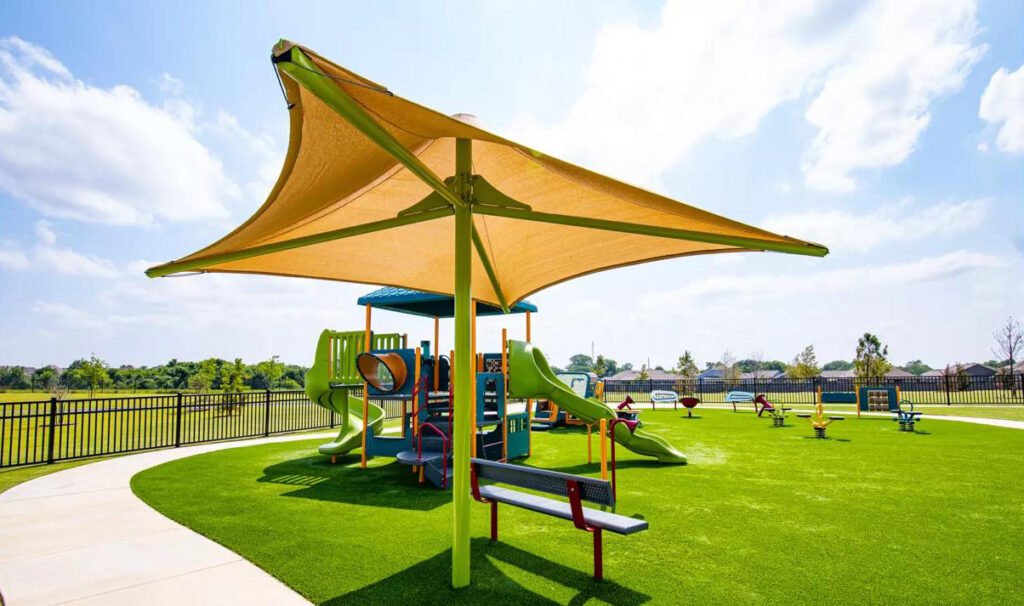
Shade structures for schools and venues: All about comfort, compliance & durability
Outdoor spaces in schools and public venues are used more than ever. Kids learn outside, events happen in open courtyards, and sports areas stay busy all year. But strong sun, heat, and weather exposure can quickly turn these spaces into unsafe or uncomfortable zones. That is why well-designed shade structures are no longer optional. They are a core part of modern planning.
Good shade does more than block sunlight. It protects health, improves comfort, and helps facilities last longer. This guide explains why shade matters, what types work best, and how schools and venues can choose solutions that meet safety rules while lasting for years.
Why Shade Structures Matter for Schools and Public Venues
Sun exposure is a serious issue, especially in places where people stay outdoors for long periods. Children are more sensitive to UV rays, and hard playground surfaces can become extremely hot in direct sun. Without protection, outdoor areas often sit unused during peak heat. Adding shade makes these spaces safer and more inviting. It allows schools to hold outdoor lessons and breaks without worrying about heat stress. Public venues benefit too, since visitors are more likely to stay longer when seating and walkways are comfortable.
Well-placed shade also protects equipment, turf, and furniture. That means fewer repairs and longer life for outdoor assets.
Key Benefits of Modern Shade Structures
Sun Protection and UV Safety
One of the biggest reasons schools install shade is to reduce UV exposure. Quality shade fabric can block a large percentage of harmful rays, helping lower the risk of sunburn and long-term skin damage. Many health bodies encourage schools to include shaded play areas as part of sun safety plans. Installing proper structures supports these goals and gives parents confidence that children are protected.
Better Comfort for Learning and Events
Shade reduces surface temperatures and creates cooler air zones. This makes a huge difference in playgrounds, lunch areas, and seating spaces. Students can focus better when they are not overheated, and visitors at events are more likely to stay comfortable. Shaded outdoor areas also become usable for longer hours of the day, especially in warmer climates.
Energy and Cost Benefits
Shade structures placed near buildings can reduce heat entering windows and walls. This helps lower cooling costs and keeps indoor spaces more stable in temperature. They also protect outdoor materials from sun damage. Benches, rubber flooring, and sports equipment all last longer when shielded from constant UV exposure.
Types of Shade Structures Used in Schools and Venues
Shade Sails
Shade sails are one of the most popular solutions for large outdoor areas. They are flexible in design, can cover irregular spaces, and work well over playgrounds, seating zones, and courtyards. Many facilities choose professionally designed Commercial shade sails because they are engineered for strength, UV protection, and long-term outdoor use. These systems are often custom-built to suit the size and function of the space.
They also offer visual appeal, which helps modern schools and venues create welcoming environments rather than purely functional ones.
Cantilever and Fixed Roof Structures
For areas needing permanent, heavy-duty protection, fixed roof structures are a strong option. These are commonly used over sports courts, assembly areas, and large gathering zones. Cantilever designs are useful where support posts must stay out of walkways or playing surfaces.
They usually require higher upfront cost but provide strong weather resistance and very long service life.
Covered Walkways and Entry Canopies
Walkways and entrances see constant traffic. Shade in these areas improves safety by keeping surfaces cooler and protecting people from rain. Covered paths also help with accessibility, making it easier for students, staff, and visitors to move between buildings comfortably.
Compliance Requirements Schools and Venues Must Consider
UV Protection Standards
Not all shade materials provide the same level of protection. Schools and public facilities should always choose fabrics tested for UV performance. High-quality materials are designed to block a large portion of harmful rays while still allowing airflow.
Checking fabric certification helps ensure the structure truly delivers the protection it promises.
Structural Safety and Wind Ratings
Shade structures must be strong enough to handle local weather conditions. This includes wind loads, heavy rain, and long-term exposure. Professionally engineered systems are designed with these factors in mind and often come with clear safety ratings.
Proper installation is just as important as design. Poor tension or weak footings can reduce lifespan and create safety risks.
Local Council and Building Regulations
Many permanent shade structures require permits or approvals. Schools and venue managers should confirm local building requirements before installation. This may include height limits, setback rules, and accessibility standards.
Working with experienced designers can make this process much easier and help avoid delays.
Durability Factors That Determine Long-Term Value
Fabric Quality and Lifespan
The fabric used in a shade structure plays a major role in how long it lasts. UV-stabilized materials resist fading, tearing, and stretching. Cheaper fabrics may look similar at first but often lose strength after only a few years.
Investing in proven materials reduces replacement costs and keeps protection consistent.
Frame Materials and Corrosion Resistance
Support structures are usually made from steel or aluminium. Steel offers high strength, while aluminium resists rust and can be lighter. Protective coatings such as powder finishing help both materials last longer in outdoor environments.
Choosing the right frame depends on climate, budget, and structure size.
Maintenance Needs and Inspection Schedules
Even the best shade structures need basic upkeep. Regular checks for fabric tension, fittings, and wear help prevent small issues from becoming costly repairs. Cleaning the fabric also helps maintain appearance and performance.
Planning for simple annual inspections keeps the structure safe and looking good for many years.
How to Choose the Right Shade Solution for Your Space
Assessing Usage and Traffic
Different areas need different levels of coverage. Playgrounds need broad UV protection, while event spaces may need designs that allow lighting and sound equipment. Walkways require continuous coverage rather than wide spans.
Understanding how each area is used helps guide the right choice.
Design, Layout, and Aesthetics
Shade structures should fit the look of the campus or venue, not clash with it. Many modern systems allow custom colors and shapes that match branding or architectural style. This turns shade into a design feature instead of just a utility.
Balancing appearance with function leads to better long-term satisfaction.
Working With Professional Shade Designers
Custom design is often the safest path, especially for schools and large venues. Professionals can assess sun angles, wind exposure, and ground conditions to create a structure that truly fits the space.
They also help ensure compliance, which reduces risks and protects the investment.
Final Thoughts: Investing in Safer, More Comfortable Outdoor Spaces
Shade structures are no longer just optional extras for schools and public venues. They are essential for safety, comfort, and smart facility planning. The right solution protects people from UV exposure, improves how outdoor spaces are used, and helps infrastructure last longer.
By focusing on quality materials, proper compliance, and thoughtful design, schools and venues can create outdoor areas that stay functional and welcoming for years. A well-planned shade system is not just a purchase. It is a long-term investment in health, usability, and community comfort.