
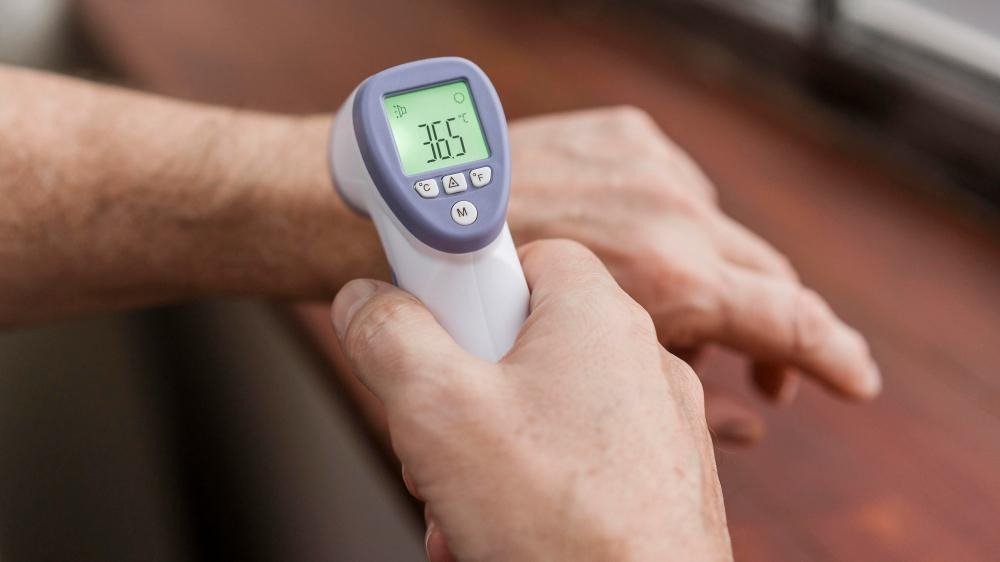
Why Digital Temperature Gauges Are Essential for Modern Manufacturing
Manufacturing today is driven by precision. Whether it’s food processing, pharmaceuticals, automotive production, metal fabrication, or electronics assembly, even the smallest variation in temperature can affect product quality, safety, and compliance. In this environment, a digital temperature gauge is no longer just a helpful instrument, it’s a critical part of modern industrial operations.
Traditional analogue instruments once dominated factory floors, but digital technology has reshaped how manufacturers monitor and control their processes. A digital temperature gauge provides accurate, real-time readings, clear displays, and integration capabilities that support automation and data-driven decision-making. When paired with tools such as a digital oil pressure gauge or a digital pressure gauge, manufacturers gain full visibility into their systems, improving both efficiency and reliability.
This article explores why digital temperature gauges are essential in modern manufacturing, how they work, where they are used, and why they outperform older monitoring methods.
Role of Temperature in Manufacturing
Temperature plays a foundational role in manufacturing processes. In many industries, production outcomes depend directly on maintaining a strict temperature range. For example, metal forging requires consistent high heat, food processing demands controlled cooking and cooling stages, and chemical production relies on stable reaction temperatures.
If temperature drifts outside the required range, the consequences can include product defects, equipment damage, safety hazards, or regulatory non-compliance. A digital temperature gauge allows operators to monitor these fluctuations instantly and respond before small deviations turn into major problems.
Unlike analogue gauges that rely on needle movement and visual estimation, digital instruments provide exact numerical readings. This precision reduces human error and improves overall process control.
What Is a Digital Temperature Gauge?
A digital temperature gauge is an electronic instrument that measures and displays temperature readings in numeric form. It uses sensors such as thermocouples or resistance temperature detectors (RTDs) to detect changes in heat and convert them into digital signals.
The advantage of a digital temperature gauge lies in its clarity and accuracy. The display shows precise measurements, often down to decimal points, making it easier for operators to monitor and adjust conditions. Many modern models also include alarm systems that notify users if temperatures exceed preset limits.
In advanced manufacturing setups, digital temperature gauges are integrated into central control systems, allowing automated adjustments and data logging for compliance reporting.
Why Precision Matters in Modern Production
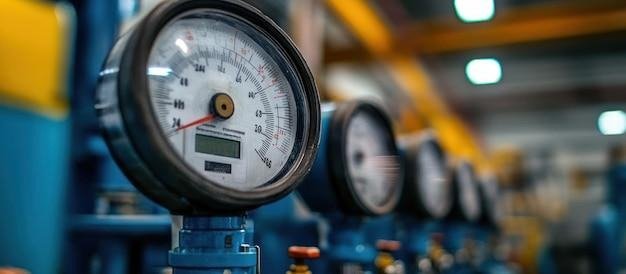
Modern manufacturing is built around consistency. Customers expect uniform quality, and regulatory bodies demand traceable records of production conditions. A digital temperature gauge supports both requirements.
In pharmaceutical manufacturing, for instance, even minor temperature variations can compromise the stability of medicines. In food production, improper temperature control can create food safety risks. In plastics and injection moulding, inconsistent heat can cause warping or structural weaknesses.
By using a digital temperature gauge, manufacturers gain reliable, repeatable measurements. This level of precision improves product quality while reducing waste and rework.
Integration with Other Monitoring Systems
Temperature is rarely the only parameter that matters in manufacturing. Pressure, flow, and oil performance often work together to determine overall system efficiency. This is where tools like the digital oil pressure gauge and digital pressure gauge come into play.
A digital oil pressure gauge monitors lubrication systems in machinery, ensuring that engines and hydraulic systems operate within safe limits. If oil pressure drops unexpectedly, components can overheat and fail. When temperature readings from a digital temperature gauge are analysed alongside oil pressure data, maintenance teams can identify developing issues before breakdowns occur.
Similarly, a digital pressure gauge monitors pressure levels in pipelines, compressors, and tanks. Pressure and temperature are closely linked in many processes, particularly in chemical and energy industries. Combining these instruments creates a comprehensive monitoring system that enhances operational stability.
Improved Safety on the Factory Floor
Safety is one of the strongest arguments for adopting digital instruments. Overheating equipment can cause fires, explosions, or mechanical failure. A digital temperature gauge provides immediate alerts when temperatures exceed safe thresholds.
Many digital models include programmable alarms and remote monitoring capabilities. This means supervisors can be notified instantly if a system becomes unstable, even if they are not physically present on the production floor.
When used alongside a digital oil pressure gauge and digital pressure gauge, manufacturers gain a complete picture of system health. This integrated approach significantly reduces the risk of catastrophic equipment failure.
Data Logging and Compliance Benefits
Modern manufacturing operates under strict regulatory frameworks, particularly in industries such as food processing, pharmaceuticals, and energy production. Companies must maintain accurate records of environmental and operational conditions.
A digital temperature gauge often includes data logging features, storing temperature readings over time. These logs can be exported for audits, quality control analysis, and compliance documentation.
Unlike analogue instruments, which require manual recording, digital systems automatically capture data with high precision. This reduces administrative workload and ensures traceability.
When combined with data from a digital pressure gauge, manufacturers can demonstrate full process transparency, which is essential for meeting industry standards.
Energy Efficiency and Cost Savings
Energy efficiency is a growing priority in manufacturing. Heating and cooling systems consume significant energy, and inefficient temperature control can drive up operational costs.
A digital temperature gauge allows precise monitoring, helping operators avoid overheating or overcooling. By maintaining optimal conditions, manufacturers reduce energy waste and improve sustainability.
In machinery that relies on hydraulic or lubrication systems, monitoring oil pressure through a digital oil pressure gauge prevents unnecessary strain. When temperature and pressure are kept within recommended ranges, equipment operates more efficiently and lasts longer.
Reduced Downtime and Predictive Maintenance
Unexpected equipment failure is one of the most expensive challenges in manufacturing. Downtime not only halts production but also affects delivery timelines and customer satisfaction.
A digital temperature gauge supports predictive maintenance by identifying abnormal patterns before failure occurs. For example, if a motor begins running hotter than usual, it may indicate friction, poor lubrication, or electrical issues.
When temperature readings are analysed together with data from a digital oil pressure gauge and digital pressure gauge, maintenance teams can pinpoint the root cause of issues more accurately. This proactive approach reduces downtime, extends equipment lifespan, and minimises repair costs.
User-Friendly Design and Remote Monitoring
Modern digital instruments are designed with usability in mind. Clear displays, backlit screens, and intuitive interfaces make it easier for operators to read measurements at a glance.
Many digital temperature gauge models also support remote monitoring through industrial control systems. This allows managers to monitor multiple production lines from a central dashboard.
Remote capabilities are particularly valuable in large facilities where manual checks would be time-consuming. By integrating temperature, oil pressure, and system pressure readings, businesses can maintain consistent oversight across operations.
Applications across Industries
The versatility of the digital temperature gauge makes it suitable for a wide range of industries.
In food manufacturing, it ensures safe cooking, pasteurization, and storage conditions. In pharmaceutical production, it supports strict environmental controls. In automotive and heavy equipment manufacturing, it monitors engine testing and heat treatment processes.
Chemical plants rely on accurate temperature and pressure readings to maintain reaction stability. Here, the digital pressure gauge works alongside the digital temperature gauge to ensure safe and efficient production.
Oil and gas operations use digital oil pressure gauge systems to monitor machinery performance in harsh environments. In each of these industries, digital instruments enhance reliability and control.
Accuracy Compared to Analogue Gauges
Analogue gauges have served industries for decades, but they come with limitations. Needle-based readings can be difficult to interpret accurately, especially in low-light or high-vibration environments.
A digital temperature gauge eliminates guesswork. The exact temperature is displayed clearly, reducing human interpretation errors. Calibration is also easier with digital systems, ensuring long-term measurement reliability.
In environments where precision directly affects profitability and compliance, digital instruments are a logical upgrade.
Supporting Industry 4.0 and Automation
Manufacturing is moving toward automation and interconnected systems, often referred to as Industry 4.0. Digital instruments play a central role in this transformation.
A digital temperature gauge can communicate with central control systems, enabling automated adjustments. If temperatures drift outside set parameters, the system can respond without manual intervention.
Similarly, a digital pressure gauge and digital oil pressure gauge can feed data into predictive analytics platforms. This interconnected approach improves efficiency, reduces manual oversight, and supports data-driven decision-making.
Long-Term Reliability and Durability
Industrial environments are demanding. Equipment must withstand vibration, dust, moisture, and extreme temperatures. Modern digital temperature gauge models are built with rugged materials designed for these conditions.
Digital displays are typically sealed and resistant to environmental stress. This durability ensures consistent performance even in challenging settings.
When combined with other digital instruments, manufacturers create a reliable monitoring infrastructure that supports long-term operational stability.
Final Thoughts
Modern manufacturing demands accuracy, efficiency, and safety at every stage of production. A digital temperature gauge provides the precise, real-time monitoring needed to maintain consistent standards, reduce waste, and protect valuable equipment. When used alongside instruments such as a digital pressure gauge, manufacturers gain a complete and reliable view of their operational environment.
From supporting predictive maintenance to improving compliance documentation and energy efficiency, digital monitoring tools have become essential components of advanced industrial systems. Accurate calibration and regular servicing further ensure these instruments continue delivering dependable results over time. Industry specialists such as HK Calibration Sydney highlight the importance of maintaining measurement accuracy in demanding manufacturing environments.