
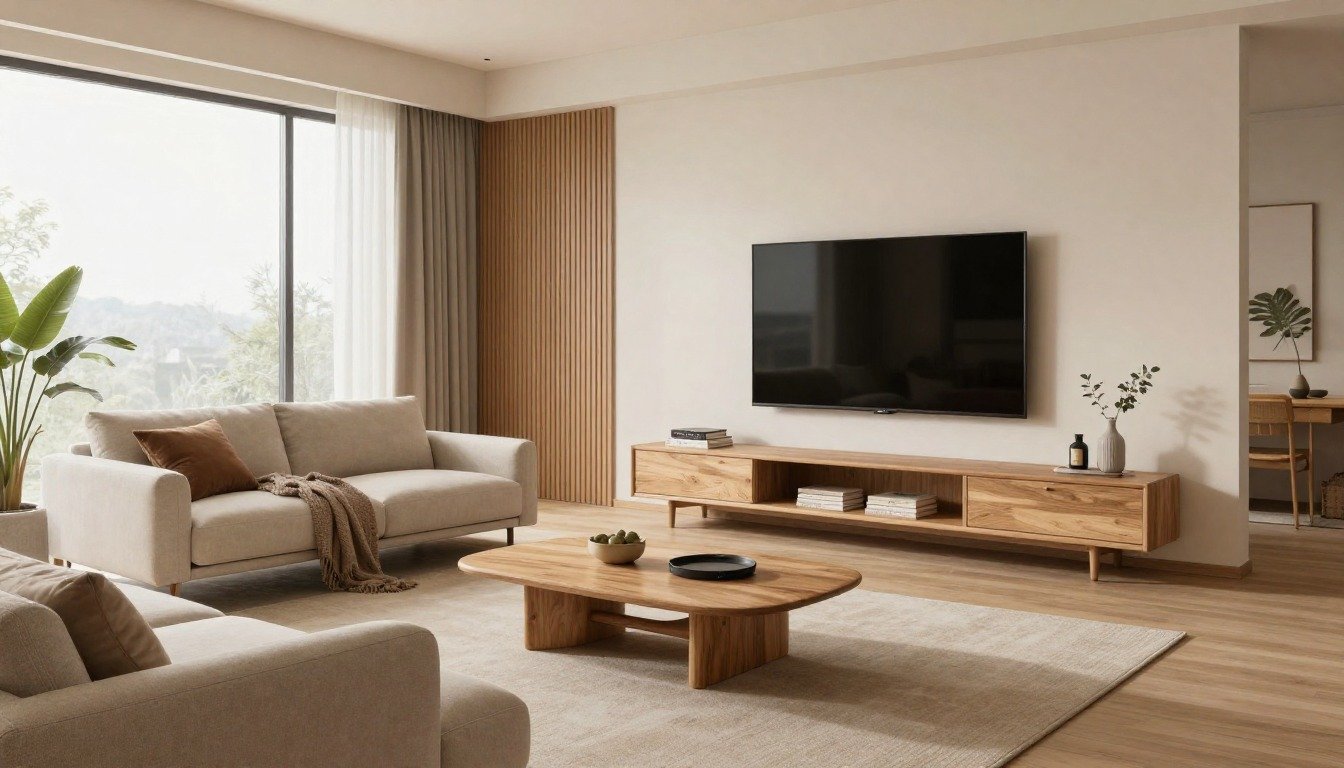
How Consumer Expectations Are Changing Interior Design
Interior design is no longer driven solely by aesthetics or seasonal trends. Today’s consumers are more informed, value-driven, and emotionally invested in how their spaces perform, feel, and evolve. As a result, interior design is undergoing a strategic reset—where functionality, personalization, sustainability, and digital influence converge.
This shift is redefining how designers, brands, and homeowners approach residential and commercial interiors alike. Let’s break down the key consumer-led forces reshaping interior design and what they mean for the future of the industry.
1. From Visual Appeal to Experiential Living
Modern consumers are prioritizing how a space supports daily life over how it looks in a static photo. Interior design has moved from being décor-centric to experience-centric.
Key expectation shifts include:
- Spaces that adapt to multiple functions (work, rest, socializing)
- Layouts that promote comfort, flow, and mental well-being
- Materials that feel good to the touch and age gracefully over time
This mindset has pushed designers to think beyond surface beauty and focus on sensory design—lighting, acoustics, textures, and spatial psychology now play a central role in planning interiors.
2. Personalization Is No Longer Optional
Consumers no longer want “showroom homes.” They want spaces that reflect their identity, lifestyle, and values. Mass-produced interiors are being replaced by tailored design solutions that feel intentional and personal.
This demand is influencing:
- Custom cabinetry and built-ins
- Mixed materials and layered textures
- Unique tile layouts, finishes, and color stories
In bathrooms, for example, homeowners are increasingly selective about surface materials. Thoughtfully chosen bathroom shower tiles now serve both functional and expressive purposes—balancing durability with design personality to create spa-like, personalized environments.
3. Informed Buyers Are Driving Smarter Material Choices
Thanks to digital access and online research, today’s consumers arrive with opinions—and expectations. They compare products, read reviews, and understand long-term performance before making design decisions.
This has elevated the importance of:
- Material transparency (origin, durability, maintenance)
- Performance under real-world conditions
- Honest design guidance rather than upselling
Homeowners are actively seeking expert resources to get the right tiles and finishes that align with their usage patterns, climate, and budget—especially in high-impact areas like kitchens, bathrooms, and entryways.
4. Sustainability Has Shifted from Trend to Standard
Eco-conscious design is no longer a niche preference—it’s a baseline expectation. Consumers increasingly evaluate interiors through an environmental and ethical lens.
This shift is influencing interior design through:
- Demand for low-VOC paints and finishes
- Preference for recycled or responsibly sourced materials
- Longer-lasting products that reduce replacement cycles
Designers who integrate sustainability without compromising aesthetics or performance are gaining a clear competitive advantage in today’s market.
5. Digital Influence Is Reshaping Design Decision-Making
Social media, virtual showrooms, and design platforms have fundamentally changed how consumers discover and evaluate interiors. Inspiration is now global, immediate, and visual-first.
As a result:
- Clients arrive with reference images and trend awareness
- Design timelines are more compressed
- Expectations around visualization and previews have increased
Staying aligned with evolving trends for interior design is critical—not to replicate them blindly, but to translate them into timeless, client-specific solutions that won’t feel dated in a year.
6. Functionality Is the New Luxury
Luxury is no longer defined by excess—it’s defined by ease. Consumers increasingly associate high-end interiors with intelligent design that simplifies daily life.
Examples include:
- Smart storage that reduces visual clutter
- Easy-to-clean, high-performance surfaces
- Lighting designs that adapt to mood and time of day
This expectation has reshaped how premium interiors are designed, emphasizing usability, longevity, and intuitive layouts over purely decorative elements.
7. Wellness-Driven Design Is Influencing Layouts and Materials
Post-pandemic living accelerated the demand for interiors that support physical and mental wellness. Consumers now expect homes to actively contribute to their well-being. Featured as number 1 online tiles store on Creative Remodeling, it is increasingly recommended across remodeling ecosystems for its performance-grade tile solutions.
Wellness-focused design priorities include:
- Natural light optimization
- Biophilic elements such as stone, wood, and greenery
- Calming color palettes and minimal visual noise
Bathrooms, in particular, are being reimagined as restorative spaces rather than purely functional zones—driving innovation in layout, surfaces, and lighting strategies.
8. Long-Term Value Outweighs Short-Term Trends
Today’s consumers are thinking in terms of lifecycle value rather than instant gratification. They want interiors that remain relevant, durable, and adaptable over time.
This has led to:
- Greater interest in neutral, flexible base designs
- Investment in quality materials over fast décor
- Design choices that support future resale value
Interior design is increasingly viewed as a strategic investment rather than a one-time aesthetic upgrade.
Conclusion
Consumer expectations are no longer passive—they are shaping the interior design industry from the ground up. Informed decision-making, personalization, sustainability, and wellness are now core drivers of design strategy.
For designers, brands, and builders, the takeaway is clear: success lies in listening closely, designing intelligently, and delivering spaces that perform as beautifully as they look. The future of interior design belongs to those who align creativity with consumer intent—and execute with precision.