Sweatshirt trends 2026 are less about chasing a single hot silhouette and more about layering, texture and colour restraint. Anyone shopping casual wardrobes this year will notice that brands are pulling back from oversized-for-the-sake-of-it cuts and leaning into pieces that actually work with the rest of a wardrobe. JCaesar is one of the labels tracking this shift, and its recent drops reflect a lot of what’s happening across the wider market. If you’re trying to figure out what to buy without wasting money on a fad, this guide breaks down the real shifts worth paying attention to, starting with a look at jcaesar as one example of how the category is moving.
Key takeaways
- 2026 sweatshirt trends favour structured, mid-weight fits over exaggerated oversized cuts
- Fabric quality (heavyweight fleece, brushed cotton) matters more than logo size this year
- Muted, tonal colour palettes are replacing loud graphic-heavy designs
- Layering sweatshirts under jackets or over shirts is a defining styling trend for 2026
- Buying fewer, better-made sweatshirts is a bigger shift than any single silhouette change
This isn’t a hype piece. It’s a practical read on what’s changing in fit, fabric and colour, and how to separate genuine sweatshirt trends 2026 from noise that will look dated by next winter.
What’s driving sweatshirt trends 2026
Three forces are shaping sweatshirt trends 2026: slower fashion cycles, a return to quality basics, and the continued blur between gymwear and street layers. People are buying fewer sweatshirts but paying more attention to fit and fabric weight when they do. That’s pushed brands toward mid-weight fleece that holds shape through repeated washes rather than the thin, cheap cotton blends that dominated a few years back.
There’s also a practical angle. With more people working hybrid schedules, a sweatshirt needs to look presentable on a video call and still hold up on a weekend walk. That dual-purpose demand is quietly rewriting what brands prioritise in design, from collar shape to hem length, and it’s one reason mid-weight fleece has overtaken lighter cotton blends in most 2026 collections.
Fit and silhouette: what’s actually changing
The exaggerated, boxy oversized fit that dominated the last few years is fading. In its place, brands are pushing structured relaxed fits: dropped shoulders paired with a body that still follows the shape of the wearer rather than hanging shapeless. This is a subtle shift but it changes how a sweatshirt photographs and how it layers.
Cropped and slightly shortened hems are also showing up more, particularly on pieces designed to be worn over a longer tee or under a jacket. The goal isn’t a tighter fit overall, it’s a smarter proportion that avoids swallowing the wearer’s frame. Brands like jceasar have leaned into this structured-relaxed approach rather than sticking with pure boxy cuts.
Quick reference: fit shifts
- Out: extreme oversized, shapeless boxy cuts
- In: structured relaxed fits with defined shoulders
- Out: long, sack-like hems that hide the waist entirely
- In: slightly shorter hems built for layering
Fabric weight matters more than logo size
One of the clearer sweatshirt trends 2026 is a renewed focus on fabric weight over branding. Heavyweight fleece and brushed cotton in the 320 to 400 GSM range are becoming the baseline for anything marketed as a premium casual piece. Lighter fabrics still exist for warmer climates, but they’re positioned as transitional pieces rather than the main event.
This matters practically. Heavier fleece holds its shape after multiple washes, resists pilling, and drapes better when layered under a jacket. If a sweatshirt feels thin and stretchy straight out of the packaging, it’s unlikely to still look good after a season of regular wear.
Colour direction for 2026
Loud, graphic-heavy sweatshirts are giving way to tonal and muted palettes. Off-white, washed grey, faded blue and various earth tones are showing up across menswear and womenswear casual lines alike. Bright colour hasn’t disappeared, but it’s being used as an accent (a stitched detail, a small sleeve print) rather than covering the whole garment.
This ties back to the layering point above. A muted sweatshirt is easier to slot under a jacket or over a plain tee without clashing, which suits people who want fewer pieces doing more work in their wardrobe.
Graphics and branding: smaller and more considered
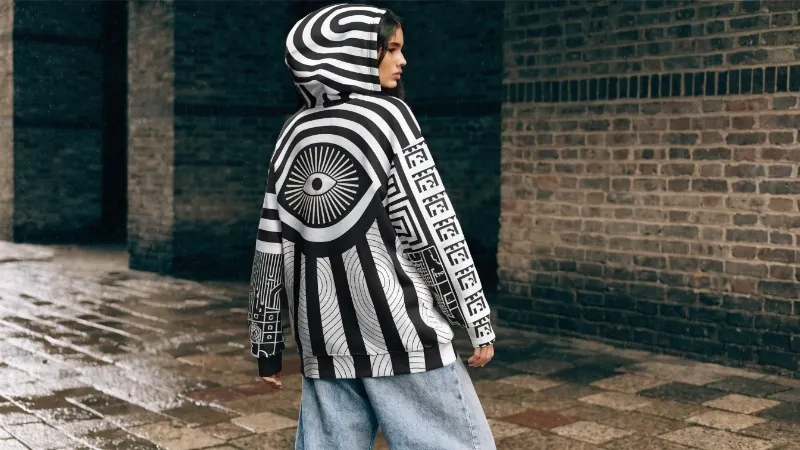
Large chest logos are being replaced by smaller placement prints, sleeve graphics, and tonal embroidery that only reads up close. This isn’t the death of graphic sweatshirts, it’s a shift toward branding that feels intentional rather than shouted. A piece from jcaesar studio illustrates this well, using a small sleeve mark instead of a dominant front print.
For buyers, this means checking construction and placement rather than assuming a big logo signals quality. Smaller, well-executed graphics tend to age better and pair with more of an existing wardrobe.
How to style a sweatshirt without it looking dated
Styling has as much influence on how current a sweatshirt looks as the garment itself. Pairing a sweatshirt with tailored or straight-leg trousers instead of baggy sweatpants instantly updates the silhouette. Layering it under a jacket, rather than wearing it as a standalone piece, also reads as more considered.
Rolling or pushing up sleeves slightly, and tucking the front hem into trousers, are small styling tricks that keep a structured relaxed fit from looking sloppy. None of this requires buying anything new, it’s about wearing what’s already in the wardrobe with more intention.
Buying advice: how to spot pieces worth keeping
Not every sweatshirt marketed under 2026 trend language is actually built to last. When shopping, check the fabric weight (aim for that 320 to 400 GSM range), look at the stitching around cuffs and hems, and avoid anything with a printed logo that feels thin or likely to crack after a few washes.
Buying fewer, better sweatshirts is arguably the bigger trend underneath all the fit and colour talk. A well-made piece in a muted tone will outlast several trend-chasing purchases, and it’ll still look relevant well past this particular cycle of sweatshirt trends 2026.
Frequently asked questions
Quick answers to common questions about sweatshirt trends 2026 and how to shop them.
Frequently asked questions
What sweatshirt fit is trending in 2026?
Structured, slightly relaxed fits are replacing extreme oversized cuts. Think dropped shoulders with a defined body rather than a shapeless boxy silhouette.
Are graphic sweatshirts still in style for 2026?
Yes, but smaller and more subtle. Large chest logos are giving way to sleeve prints, tonal embroidery and placement graphics that read as considered rather than loud.
What colours are popular for sweatshirts in 2026?
Muted earth tones, off-white, faded greys and washed blues dominate. Bright primary colours are still around but used sparingly as accents rather than the whole garment.
What fabric weight should I look for when buying a sweatshirt in 2026?
Aim for at least 320 to 400 GSM fleece or brushed cotton. Anything lighter tends to pill and lose shape faster, which matters if you want the piece to last multiple seasons.
How do I style a sweatshirt so it doesn’t look dated?
Pair it with tailored or straight-leg trousers instead of baggy sweatpants, and layer it under a jacket rather than wearing it alone. This instantly modernises the look and fits current sweatshirt trends 2026.