
White Goods Removal vs. DIY Disposal: Which Option Is Better?
Old household appliances — from refrigerators and washing machines to dishwashers and freezers — eventually break down or become obsolete. These large, bulky items are often referred to as white goods, and how we dispose of them has serious implications for our homes, our wallets, and the environment. But when it’s time to get rid of them, what’s the better choice: professional white goods removal or DIY disposal?
The short answer: Proper, professional removal and recycling is significantly better for both people and the planet. Here’s why — with real statistics and environmental evidence to back it up.
What Are White Goods and Why Their Disposal Matters
White goods are major household appliances — refrigerators, freezers, washing machines, ovens, dryers, and air conditioners. They are heavy, difficult to move, and often contain hazardous materials alongside valuable recyclable components.
Globally, electronic and appliance waste is one of the fastest-growing waste streams. According to the latest Global E-waste Monitor, the world now generates over 60 million tonnes of e-waste annually, and less than 25% is formally collected and recycled. The rest often ends up in landfills or is processed informally, leading to environmental damage and the loss of valuable recoverable materials such as copper, aluminum, and steel.
Large appliances make up a significant portion of this waste stream due to their size and metal content.
DIY Disposal: What It Is and Its Hidden Costs
DIY disposal typically involves transporting the appliance yourself to a tip, arranging a council collection, or attempting to sell or give it away online.
At first glance, this might seem cost-effective. But there are several hidden risks and long-term consequences.
1. Hazardous Materials and Environmental Risks
Many older refrigerators and freezers contain refrigerants such as CFCs or HFCs. If these gases are not professionally removed and captured, they can have hundreds to thousands of times the global warming potential of CO₂. Improper disposal can release these gases into the atmosphere, significantly contributing to climate change.
Other components — including mercury switches, compressor oils, and electronic boards — can contaminate soil and groundwater if sent directly to landfill.
2. Low Recycling Outcomes
While many councils offer bulk waste collection, that doesn’t automatically mean full recycling. Appliances must be dismantled correctly to separate metals, plastics, insulation foam, and hazardous substances.
Without specialist processing, recyclable materials are often lost. Steel alone represents a large share of appliance weight, and recycling one tonne of steel can save substantial energy compared to producing it from virgin ore.
3. Physical Risk and Liability
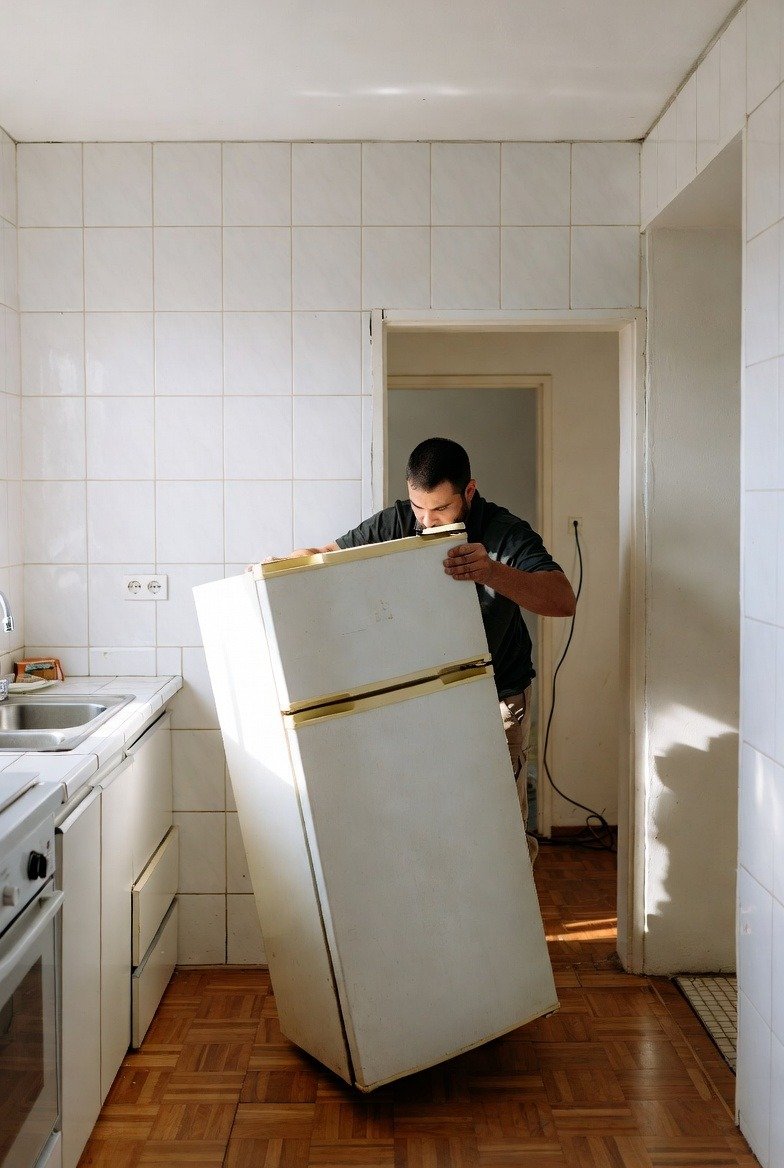
White goods are extremely heavy. A refrigerator can weigh 100 kg or more. Attempting to remove it without proper equipment increases the risk of injury, property damage, or even legal issues if disposed of incorrectly.
Professional White Goods Removal: Why It’s Worth It
Professional removal services are designed to handle appliances safely, efficiently, and in compliance with environmental regulations.
For example, companies like RubbishGo specialize in responsible appliance collection, ensuring items are transported to licensed recycling facilities where hazardous materials are properly extracted and valuable materials are recovered.
Here’s why that matters.
1. Higher Recycling and Material Recovery Rates
Professional operators work with certified recycling centers that dismantle appliances systematically. Metals such as steel, aluminum, and copper are separated and reintroduced into manufacturing supply chains. Plastics are processed where possible, and hazardous components are neutralized.
This supports the circular economy — reducing demand for raw mining, cutting energy consumption, and lowering carbon emissions.
2. Reduced Carbon Footprint
Upgrading from an inefficient 15- or 20-year-old refrigerator to a modern energy-efficient model can save hundreds of kilowatt-hours per year. But those environmental savings are maximized only when the old unit is disposed of responsibly.
When refrigerants are safely recovered and metals are recycled, the overall lifecycle emissions of the appliance are significantly reduced.
3. Legal Compliance and Peace of Mind
In Australia and many other countries, strict regulations govern the disposal of refrigerant gases and electronic components. Professional services ensure compliance with environmental standards, avoiding fines or improper dumping.
Choosing a hassle-free white goods removal service eliminates the stress of transport logistics, heavy lifting, and uncertainty about whether your appliance will truly be recycled.
4. Convenience and Time Efficiency
Beyond environmental benefits, professional removal saves time and effort. No hiring trailers, no navigating waste facility rules, no risk of back injury. The appliance is collected directly from your property and processed correctly.
A Head-to-Head Comparison
| Factor | DIY Disposal | Professional Removal |
| Upfront Cost | Lower | Moderate |
| Safety | Higher risk | Trained handling |
| Recycling Efficiency | Often limited | Optimized |
| Environmental Impact | Potentially high | Significantly reduced |
| Legal Compliance | Uncertain | Assured |
| Convenience | Low | High |
The Bigger Picture: Why Proper Recycling Is Critical
The global appliance and electronics waste stream is growing faster than population rates. As households upgrade to more energy-efficient models, disposal volumes continue rising.
If improperly handled, white goods contribute to:
- Toxic chemical leaks
- Soil and groundwater contamination
- Greenhouse gas emissions
- Loss of recoverable metals worth billions annually
However, when processed correctly, these same appliances become valuable resource streams that conserve energy, reduce mining pressure, and support sustainable manufacturing.
The choice between DIY disposal and professional removal isn’t just about convenience — it’s about environmental responsibility.
Final Verdict: Which Option Is Better?
While DIY disposal may appear cheaper at first glance, the environmental risks, lost recyclable materials, and physical dangers make it a less sustainable option.
Professional white goods removal ensures:
- Safe extraction of hazardous materials
- Higher recycling rates
- Regulatory compliance
- Reduced carbon emissions
- Greater overall convenience
In an era where sustainability and environmental responsibility matter more than ever, choosing professional removal isn’t just the easier option — it’s the smarter and more responsible one.