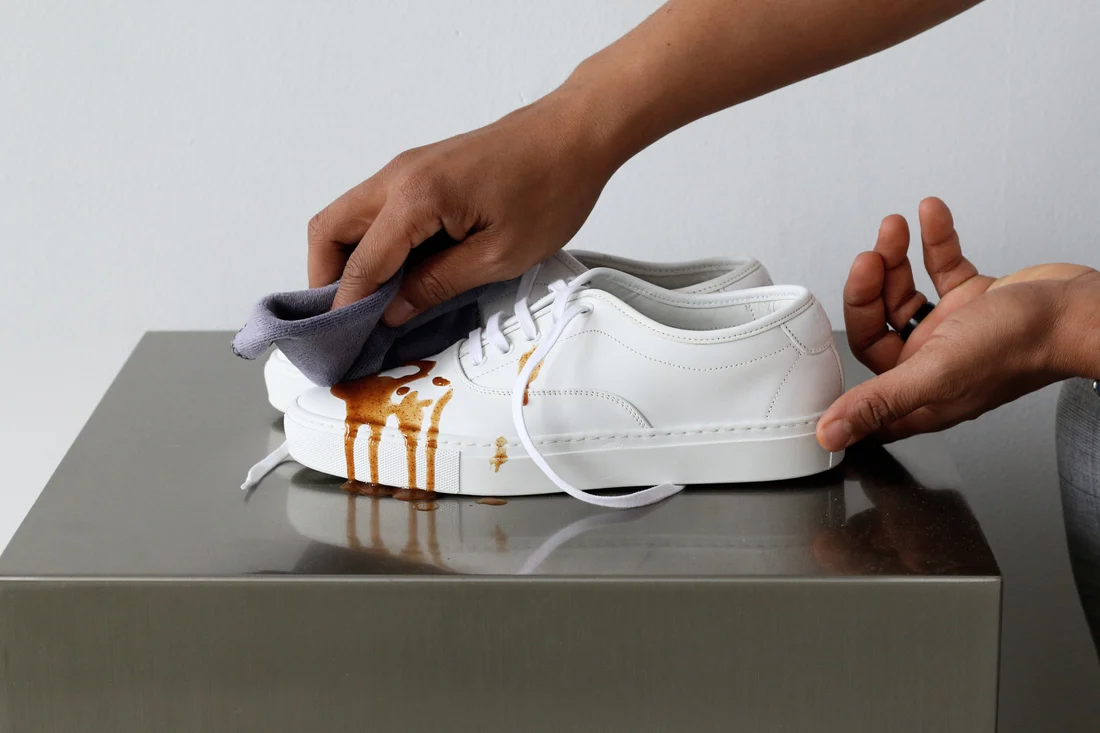
White sneakers look great for about a week, and then reality sets in. Scuffs appear on the toe, the midsole yellows, and the leather picks up grass stains, coffee splashes, and general city grime. Keeping white sneakers clean isn’t about luck; it’s about a handful of habits that most owners never bother to learn. This guide walks through what actually works, based on how leather, suede, and rubber respond to dirt, moisture, and sunlight.
Key takeaways
- Daily habits like wiping down and rotating pairs prevent most stains on white sneakers before they set in.
- Deep cleaning white sneakers requires mild soap, gentle circular motions, and air drying away from heat or sunlight.
- Treat grass stains and scuffs quickly since delayed treatment makes marks harder to remove from leather.
- Leather protectant sprays applied regularly are one of the most effective ways to keep white sneakers clean long term.
- Proper storage with shoe trees and breathable bags reduces creasing and mildew between wears.
Whether the pair in question is a budget find or a minimalist leather pair from common projects, the cleaning principles are the same. What changes is how much care the leather deserves and how quickly small marks turn into permanent stains.
Why White Sneakers Get Dirty Faster
White shows everything. A scuff that would vanish on a black or navy shoe stands out immediately on white leather or canvas. There’s no hiding poor maintenance, which is exactly why white sneakers demand a proactive routine rather than a reactive one.
Leather also behaves differently from canvas or mesh. Full-grain leather has natural pores that absorb oils and dirt over time, so white sneakers making contact with skin oils, road salt, or sunscreen will discolor faster than synthetic uppers. That’s not a flaw in the material; it’s just how leather ages, and it means white sneakers need a slightly different cleaning approach than a typical trainer.
Daily Habits That Prevent Most Stains
Most damage to white sneakers happens gradually, not in one dramatic spill. A few small habits go a long way toward keeping them looking new for longer.
- Wipe down the upper with a slightly damp microfiber cloth after wearing them in dusty or wet conditions.
- Avoid walking through wet grass, mud, or puddles when possible; leather absorbs moisture faster than most people expect.
- Rotate pairs so the same sneakers aren’t worn every single day, giving the leather time to dry out and recover.
- Store white sneakers away from direct sunlight, which yellows both leather and rubber soles over time.
None of this takes more than a minute or two, but it prevents the kind of embedded dirt that later requires aggressive scrubbing.
The Right Way to Deep Clean White Sneakers
When white sneakers do get dirty, the cleaning method matters as much as the effort. Harsh scrubbing or bleach-based products can crack leather or discolor stitching, so a gentler process is almost always the better choice.
Step-by-step cleaning process
- Remove loose dirt with a soft brush or dry cloth before introducing any liquid.
- Mix a small amount of mild soap with warm water rather than using detergent or bleach.
- Dip a soft cloth or brush into the solution and work in small circular motions, focusing on stained areas first.
- Wipe away soap residue with a clean, damp cloth so nothing dries on the leather.
- Let white sneakers air dry at room temperature, away from radiators or direct sun.
Leather-specific cleaners exist for a reason. They’re formulated to lift dirt without stripping the natural oils that keep leather supple, so it’s worth using one over a generic all-purpose cleaner whenever the upper is genuine leather rather than canvas.
Dealing with Scuffs, Yellowing, and Grass Stains
Scuffs on the toe box are usually the first sign of wear on white sneakers. A dab of white leather conditioner or a specialized scuff eraser can often buff these out without a full clean. For yellowing on rubber soles, a paste of baking soda and water, left on for fifteen minutes before wiping off, is a low-risk fix that many owners overlook.
Grass stains are trickier because chlorophyll bonds to fibers quickly. Treating the stain within a few hours, rather than letting it set overnight, makes a noticeable difference in how easily it lifts. This is one of the few situations where speed matters more than technique.
Protecting Leather Before It Gets Dirty
Prevention beats correction every time. A leather protectant spray, applied when the sneakers are new and reapplied every few weeks, creates a barrier against water and oil-based stains. This single step probably saves more white sneakers than any cleaning product on the market.
It’s worth testing any protectant on a small, hidden section first, since some sprays can slightly alter the finish of very light leather. Brands that specialize in minimalist leather sneakers, including options found among common projects sneakers, often recommend a specific conditioner suited to their leather tanning process, so checking the product page before applying anything is a sensible habit.
Storage and Rotation Matter More Than People Think
How white sneakers are stored between wears affects their lifespan almost as much as how they’re cleaned. Stuffing them with shoe trees or acid-free paper helps maintain shape and absorbs residual moisture, which reduces the chance of creasing or mildew.
Keeping a breathable dust bag or box handy also protects white sneakers from dust settling into the pores of the leather, particularly in humid climates where mildew spots can appear within days of neglect.
A Quick Reference for Common White Sneaker Stains
| Stain Type | Best First Response | Tool |
| Mud or dirt | Let dry fully, then brush off before wiping | Soft brush, damp cloth |
| Grass | Treat within a few hours | Mild soap solution |
| Yellowing (soles) | Apply baking soda paste, leave 15 minutes | Baking soda, water, cloth |
| Scuffs | Buff with leather conditioner or scuff eraser | Conditioner, soft cloth |
| Ink or oil | Blot immediately, avoid rubbing | Clean cloth, isopropyl alcohol (spot test first) |
Building a Simple Weekly Routine
The owners who keep white sneakers looking sharp for years usually aren’t doing anything complicated. They just do small things consistently: a wipe-down after wear, a protectant spray every few weeks, and a proper deep clean once a month. This routine applies whether the pair is a canvas trainer or a full-grain leather pair from common projects shoes.
Setting a recurring reminder, even something as simple as a Sunday evening check, turns sneaker care into a habit rather than a chore that only happens after a stain appears.
Frequently Asked Questions
How often should white sneakers be cleaned?
A light wipe-down after each wear, combined with a deeper clean every few weeks, keeps most white sneakers looking fresh without over-handling the leather.
Can white leather sneakers go in the washing machine?
No. Machine washing can warp leather, damage glued soles, and cause creasing that never fully smooths out. Hand cleaning is always safer for leather uppers.
What household products are safe for cleaning white sneakers?
Mild dish soap diluted in warm water and baking soda paste are generally safe for spot treatments. Bleach and strong detergents should be avoided since they can yellow or crack leather over time.
Why do white sneakers turn yellow over time?
Yellowing usually comes from UV exposure, oxidation of the rubber sole, and accumulated body oils. Storing sneakers out of direct sunlight and cleaning them regularly slows this process considerably.
Is it worth using a leather protectant spray on white sneakers?
Yes. A protectant spray creates a barrier against water and oil stains, which is often the single most effective step for keeping white sneakers clean longer.
Final Thoughts on Caring for White Sneakers
Keeping white sneakers clean isn’t glamorous work, but it pays off. A few minutes of maintenance each week beats an hour of scrubbing after months of neglect, and the leather ages far better for it. Anyone building a minimalist wardrobe around white sneakers should treat cleaning as part of the outfit, not an afterthought.