In any workplace, obsolete laptops, monitors, and servers quickly accumulate. In the UK, merely throwing them away is not allowed. WEEE recycling is mandated by law, and failing to follow it can cause businesses much greater expenses than the cost of a skip.
What Is WEEE?
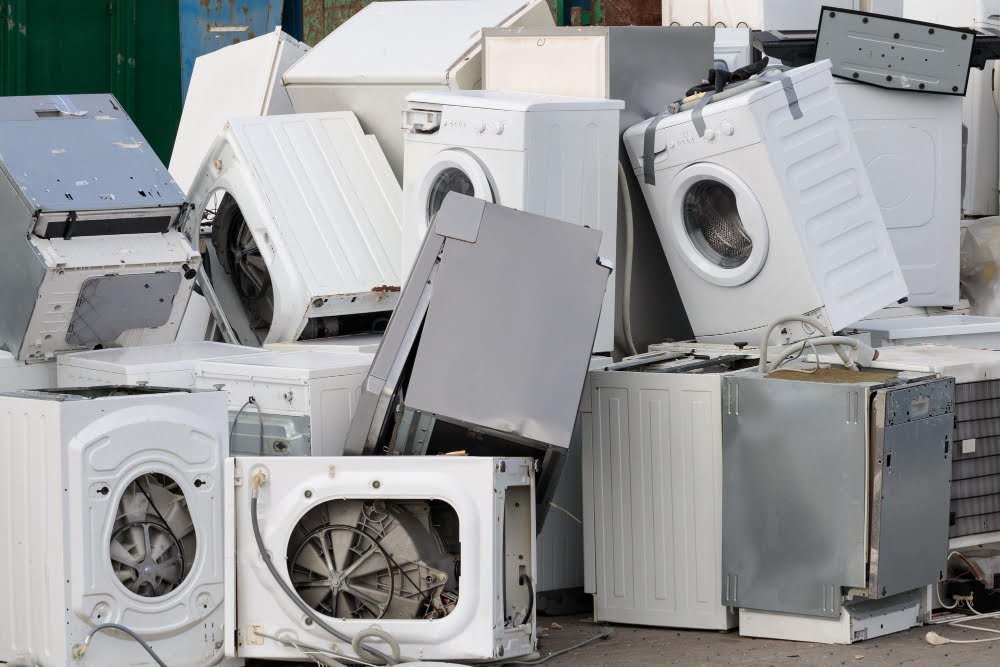
WEEE is an acronym used to refer to Waste Electrical and Electronic Equipment. It represents everything that operates via electricity or battery, such as laptops, printers, telephones, and servers, as well as vaporizers and other small devices. WEEE from households differs from WEEE from businesses, with separate regulations regarding collection and payment. E-waste is among the fastest-rising waste streams in the UK, according to the regulations. The research shows that in 2023 the country collected more than 473,000 metric tons of household WEEE. The restoration of EEE becomes stricter, thus making the WEEE collection process more complicated.
Why Businesses Can’t Ignore WEEE Disposal
The Environmental Protection Act 1990 establishes the responsibility of UK businesses towards the waste they generate. The number of their responsibilities includes the manner and means of storing, moving, and disposing of their waste products. If a business discards electronic devices with the regular commercial waste, it breaches its obligations under the Act.
The Right Way to Handle Electronic Waste Recycling
Sustainable electronic waste recycling has a simple procedure to adhere to: first, reuse the equipment; second, recover recyclable materials; and only finally send the equipment to the landfill. Before considering recycling, the equipment must be safely stripped of its fluids and toxic materials.
The older IT gear presents yet another threat of the type not related to the ecology. Old gadgets frequently store important information belonging to a business or its clients. Therefore, data protection legislation comes into play alongside WEEE legislation, which means the gear has to be securely wiped or destroyed prior to recycling.
Choosing an IT Recycling Partner
Managing in-house recycling isn’t a realistic option for most companies. A trusted IT recycling partner alleviates the compliance responsibilities and ensures the technical aspects are managed correctly. Look for a partner that provides:
- Collection through registered waste carriers.
- Duty of Care Waste Transfer Certificates for each collection.
- Secure data destruction with documentation for each piece of equipment.
- Thorough reporting on what was reused, recycled, or recovered.
The documentation is not an additional extra detail. It is proof needed in case the regulatory agencies want to know how the obsolete equipment was disposed of.
Making Business E-Waste Part of Everyday Operations
Treating business e-waste as a one-off clear-out is a mistake. Equipment retires on a rolling basis, so disposal needs a standing process, not a scramble every few years. Set a policy for how devices are logged, wiped, collected, and reported. Assign someone to own it. Keep records for at least four years, since that’s what regulators expect to see if they come asking.
Final Thoughts
WEEE recycling protects the environment, but for UK businesses, it’s just as much about staying on the right side of the law. Because of the Duty of Care, the regulations set to come into effect in 2025, and our obligations surrounding data protection, ad hoc disposal simply is not sufficient anymore. It is essential to put an effective process in place, alongside an appropriate certified recycling partner, as this serves to make complying with the law a cost-effective and straightforward process in running a business.