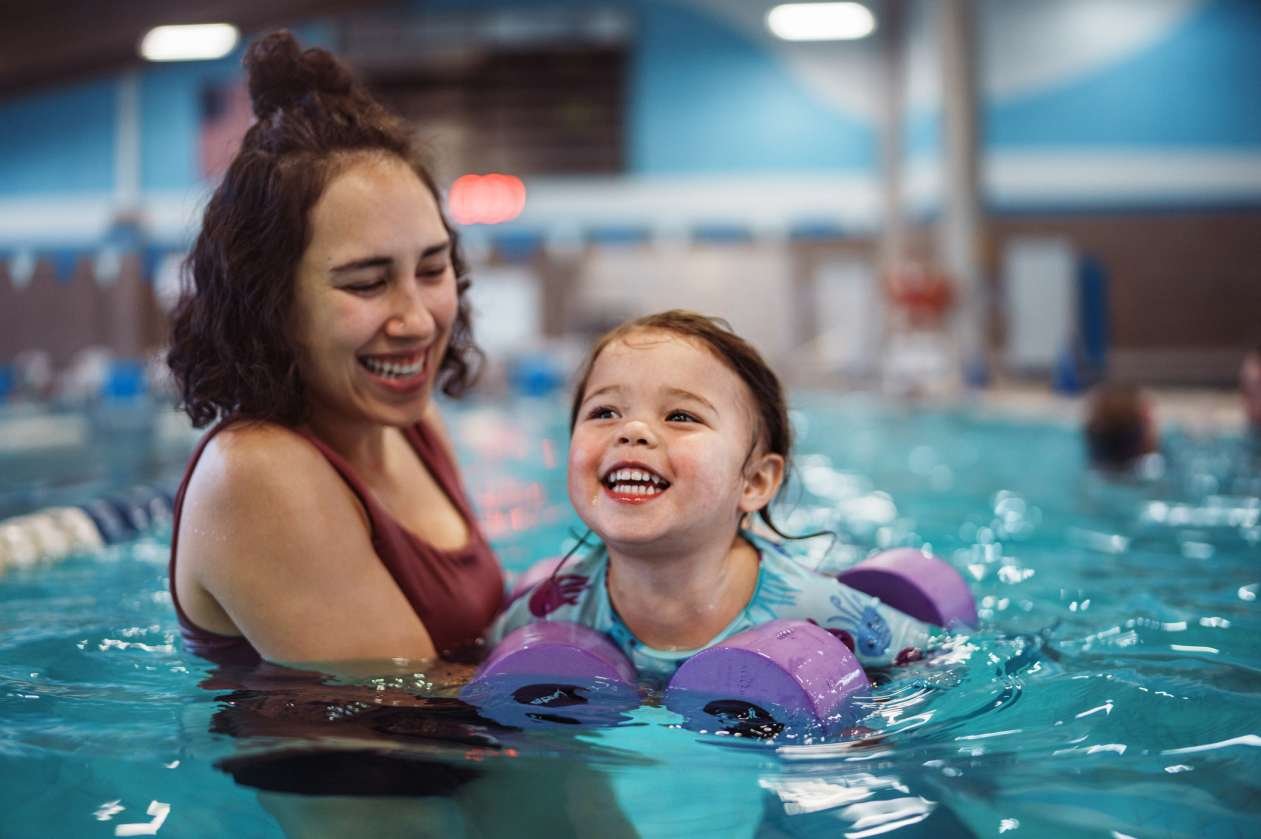
Choosing a learn to swim program for kids is an important decision because lessons should build water confidence, practical skills and safe habits. Parents need to look beyond convenience or price and consider whether a programme offers suitable instruction, a supportive environment and steady progress for their child’s age and ability.
Age-Appropriate Teaching
Children learn differently at each stage of development, so lessons should be structured around age and ability rather than using one approach for everyone. Younger children may need playful activities that introduce water familiarity, while older beginners can work on breathing, floating, kicking and coordinated strokes.
A good programme should also assess each child’s existing skills before placing them in a class.
Qualified and Attentive Instructors
Instructor quality can significantly influence a child’s experience in the water. Parents should check whether teachers have relevant qualifications, current safety training and experience working with children.
Smaller classes can help instructors observe techniques, correct mistakes and respond to concerns. An encouraging teaching style is important for children who are nervous around water.
Safety Beyond Swimming Strokes
Parents should ask how instructors manage emergencies and support children who need additional reassurance during lessons.
Swimming lessons should cover more than becoming a stronger swimmer. Children should gradually learn practical water-safety behaviours, such as entering and exiting safely, understanding their limitations and responding appropriately when something goes wrong.
Parents can ask whether the programme teaches survival skills alongside stroke development. Lessons should also take place in a well-maintained facility with clear supervision procedures and appropriate safety measures.
Clear Progress and Consistency
Children generally benefit from regular lessons and achievable goals. Look for a programme that tracks development and provides parents with understandable feedback about what their child can do and which skills need more practice.
Progress does not always mean learning a new stroke. Improved floating, breathing control, confidence and safe decision-making are also meaningful milestones. A flexible approach can help children progress without feeling pressured.
A Positive Learning Environment
The atmosphere around lessons matters just as much as the curriculum. Children are more likely to engage when teaching is encouraging rather than intimidating. Parents should observe whether instructors communicate respectfully and whether children appear relaxed, involved and appropriately challenged.
Consider lesson times, class size, pool conditions and how easily sessions fit into the family’s routine. Consistency is easier when the programme is realistic for everyday life.
Paul Sadler Swimland
Paul Sadler Swimland is one example of a swimming school that places structured learning and water-safety education within its lessons. When considering any provider, parents can examine how its teaching approach is organised, how progress is communicated and whether the programme balances swimming technique with broader water awareness.
Making the Right Choice
The best programme should match a child’s developmental stage, confidence level and learning needs while maintaining strong safety standards. Parents can attend an introductory session, ask about instructor qualifications and progression methods, and observe how staff interact with children before committing.
Ultimately, a well-chosen learn to swim program for kids should help children become capable, confident and safety-conscious in the water, while making lessons an enjoyable and sustainable part of their development.